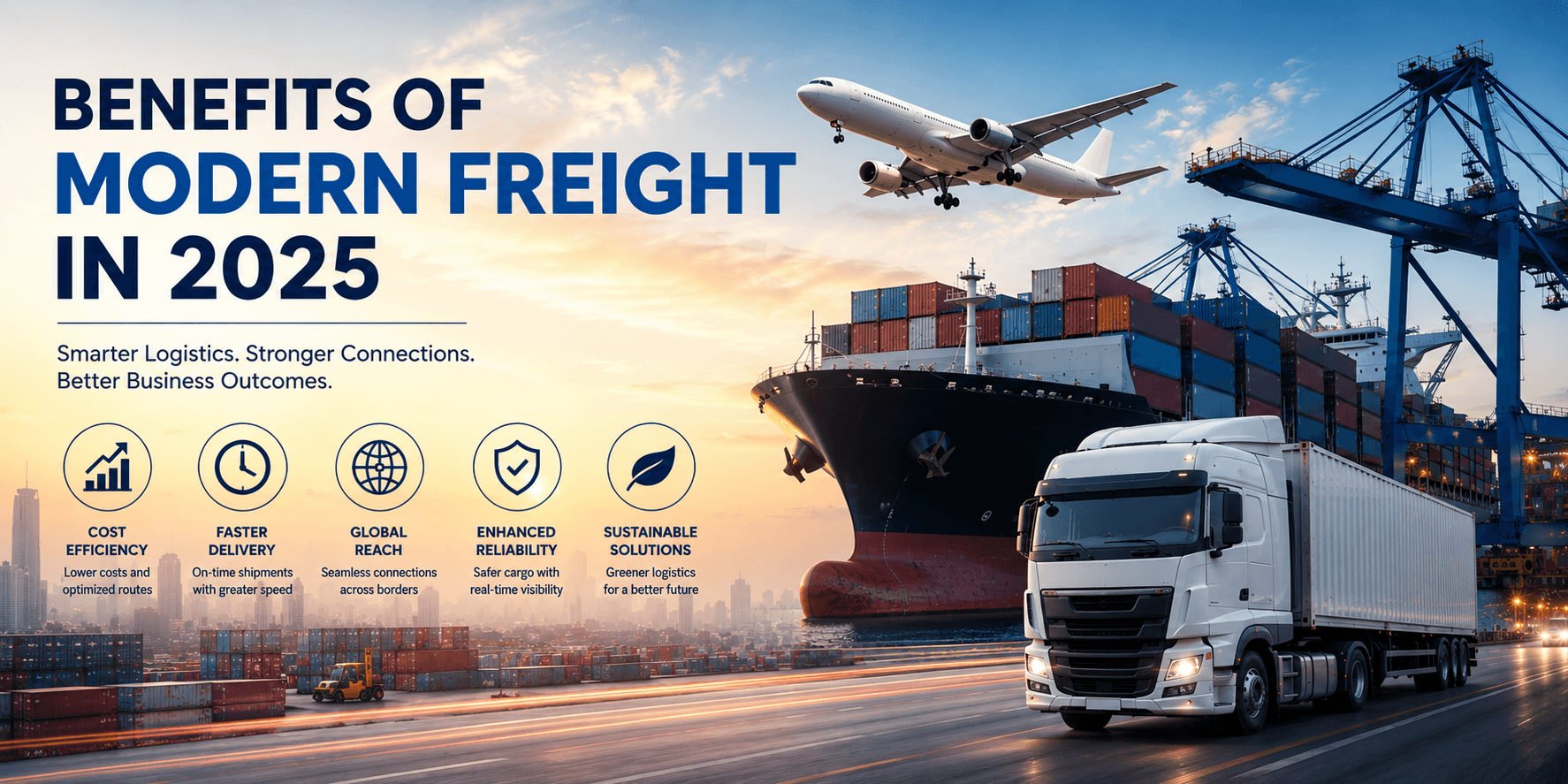
Modern freight solutions have transformed how businesses manage commercial transportation, enabling manufacturers, distributors, wholesalers, retailers and warehouse operators to move cargo more efficiently across domestic and international supply chains. Rather than simply transporting goods from one location to another, today’s freight solutions combine transportation, warehousing, shipment planning and supply chain coordination to support business growth and operational performance.
As supply chains become more complex, businesses require logistics providers that can offer flexible transportation options, reliable communication and integrated freight services. Whether coordinating domestic deliveries throughout Malaysia, arranging cross-border transportation between Johor Bahru and Singapore or managing international shipments via sea and air freight, modern freight solutions help businesses improve efficiency while maintaining greater visibility over cargo movement.
Unlike traditional freight services that focus primarily on moving goods, modern logistics emphasises planning, coordination and adaptability. This enables businesses to respond more effectively to changing customer demands, inventory requirements and operational priorities.
This guide explains how modern freight solutions support commercial logistics and why businesses across Malaysia are adopting more integrated approaches to freight management.
What Are Modern Freight Solutions?
Modern freight solutions refer to integrated logistics services that combine transportation, planning and operational coordination to improve the movement of commercial cargo throughout the supply chain.
Instead of treating every shipment as an isolated delivery, modern freight solutions consider the wider logistics process, including inventory readiness, transportation scheduling, warehousing, distribution and communication between all parties involved.
A complete freight solution may include:
- Domestic transportation
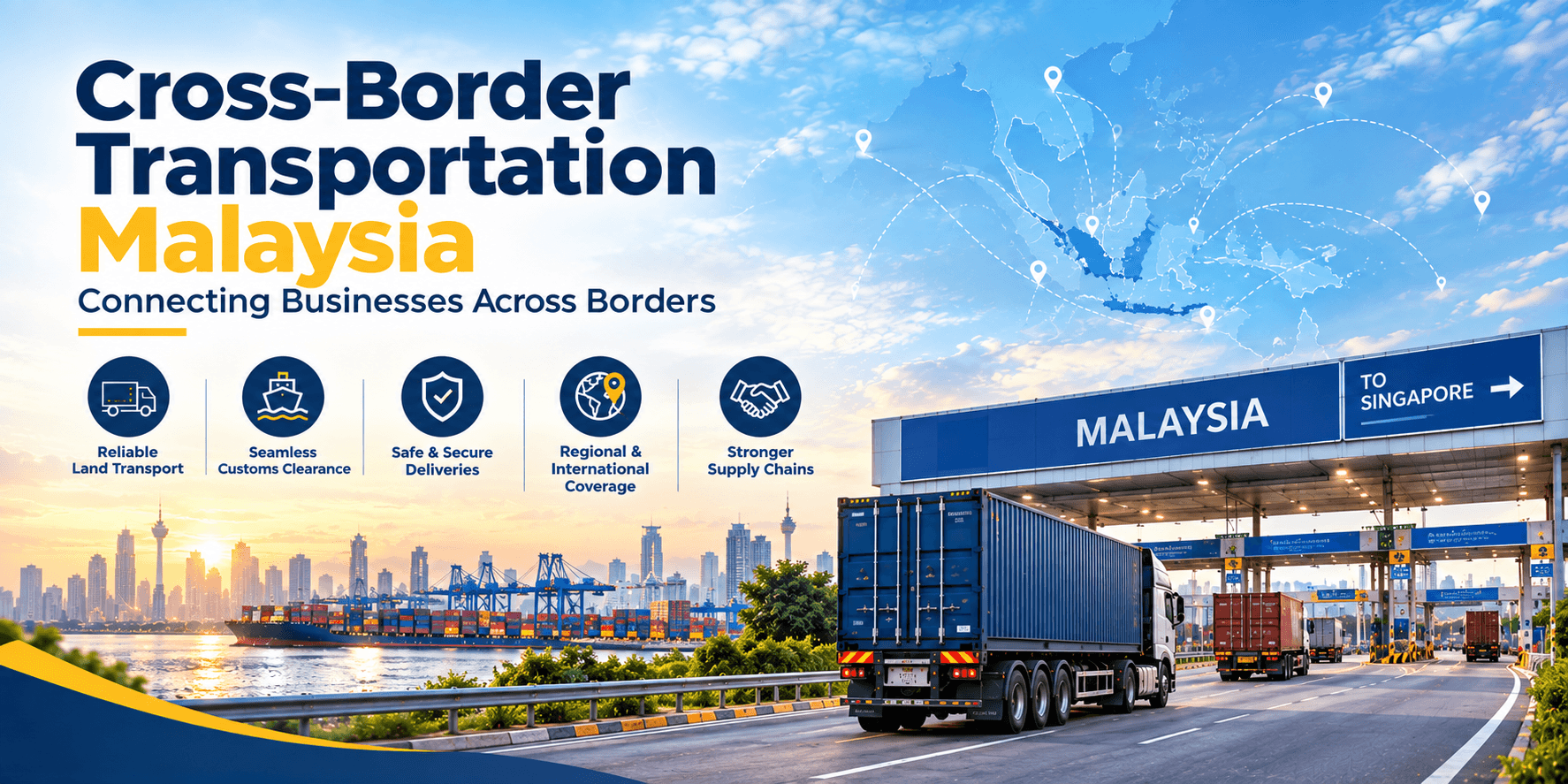
- Cross-border transportation
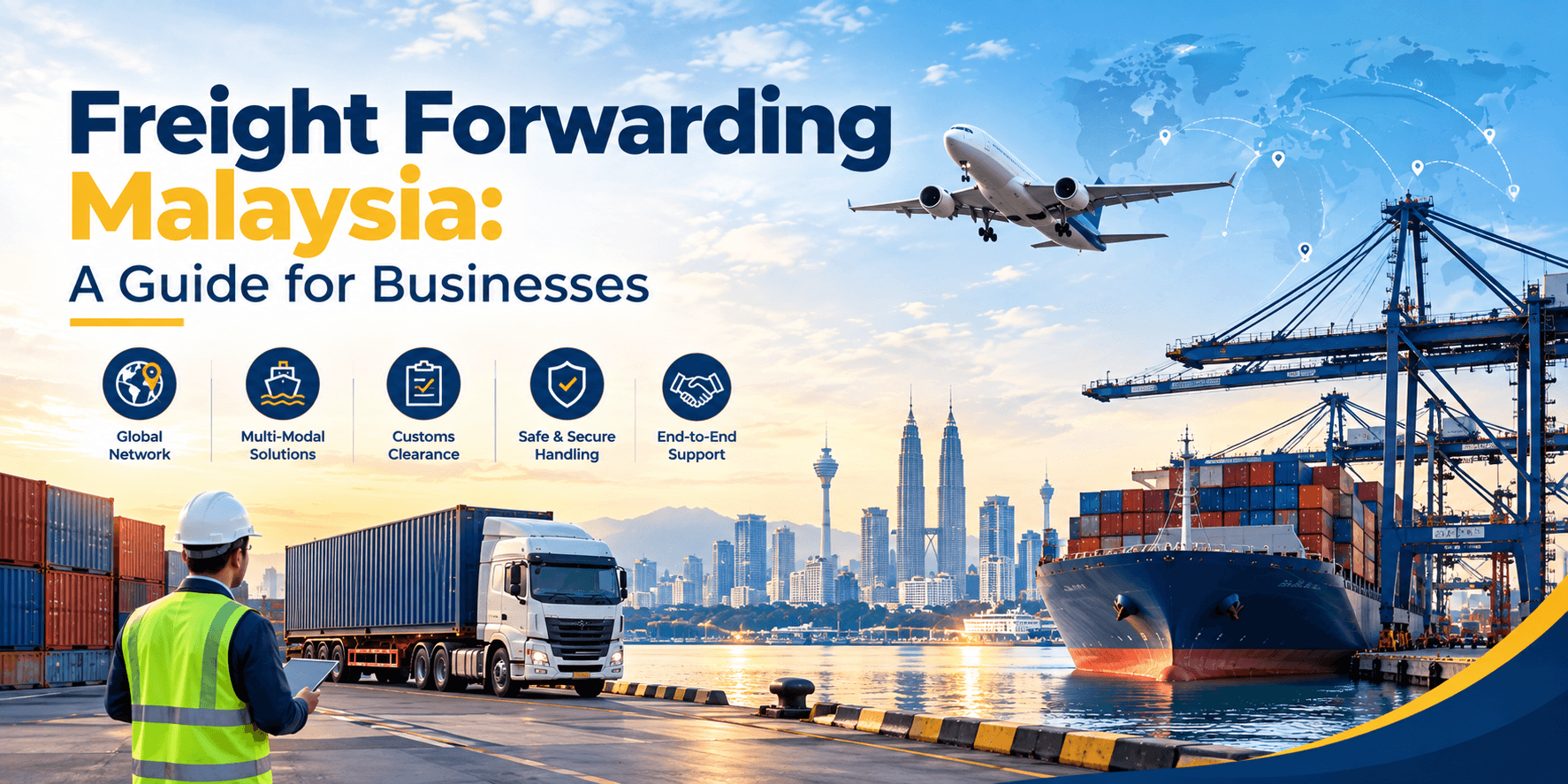
- Sea freight
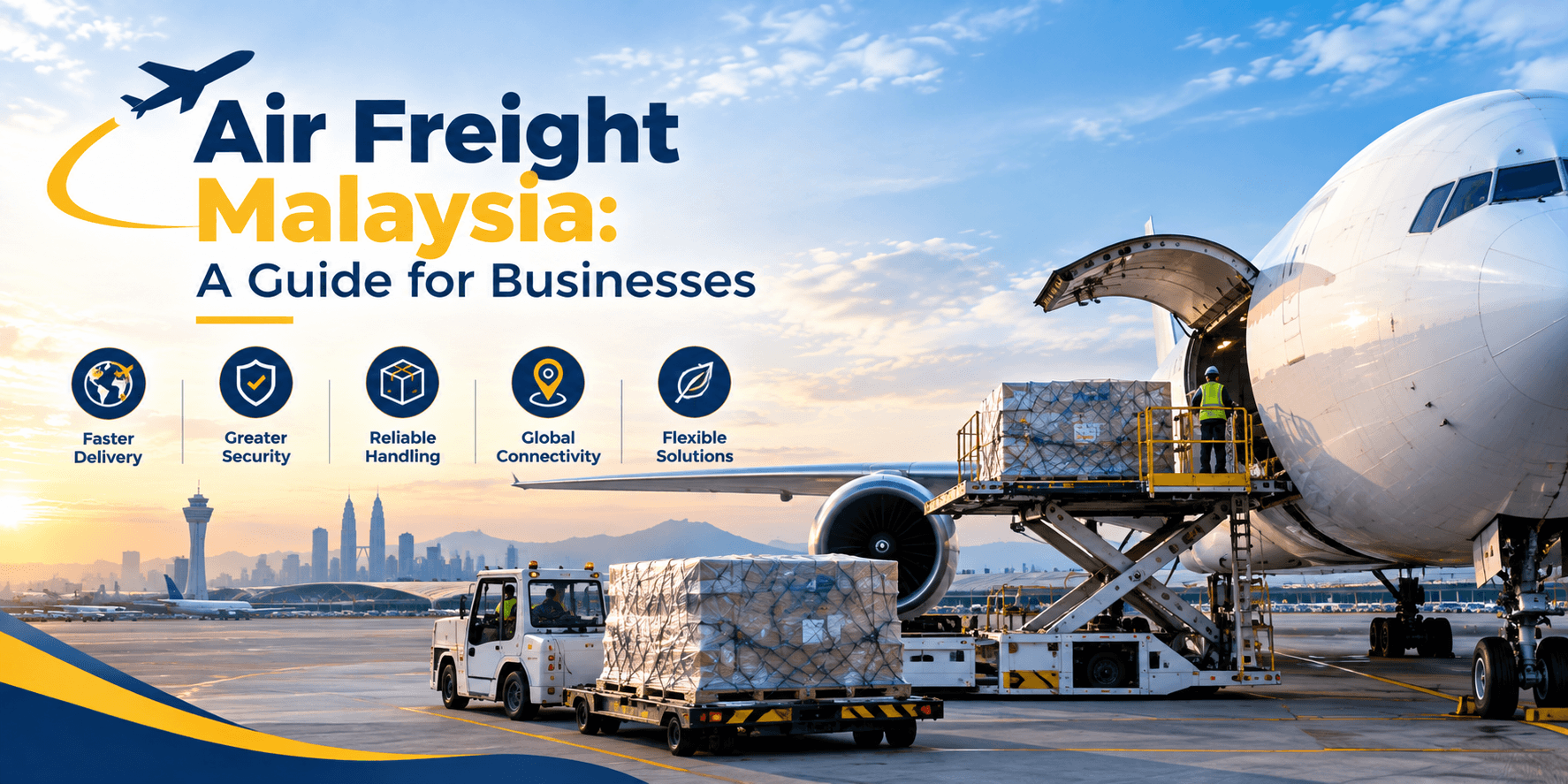
- Air freight
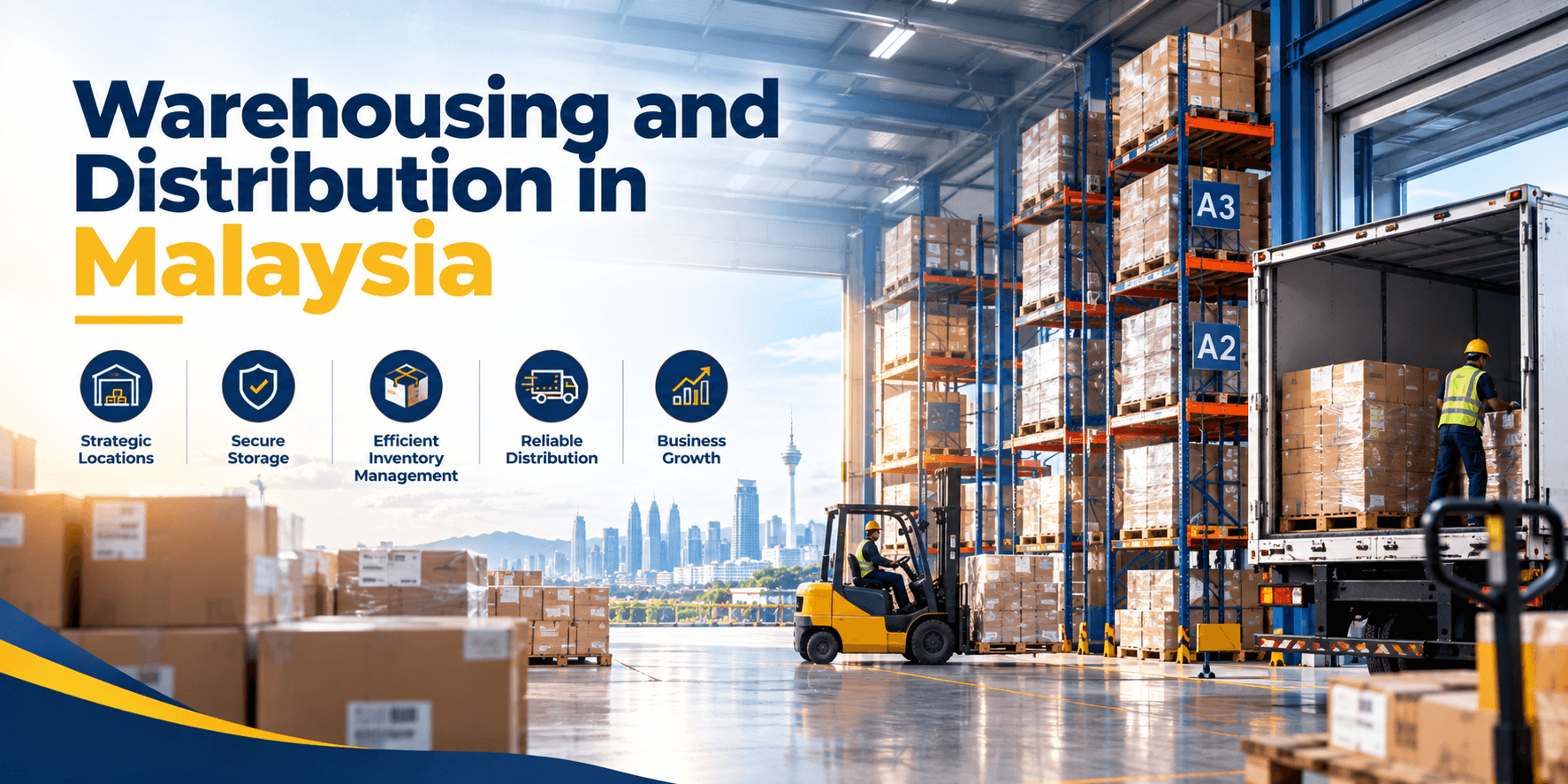
- Warehousing
- Freight planning
- Shipment coordination
- Commercial cargo distribution
By combining these services, businesses can reduce operational inefficiencies while creating a more organised and responsive supply chain.
Why Businesses Are Moving Towards Modern Freight Solutions
Business logistics has changed significantly over the past decade. Companies now operate across multiple locations, manage larger inventories and serve customers with increasingly demanding delivery expectations.
Traditional freight arrangements often struggle to support these changing requirements because they focus primarily on transportation rather than the overall movement of goods through the supply chain.
Modern freight solutions help businesses address these challenges by providing greater flexibility and operational coordination.
Businesses are increasingly adopting integrated freight solutions to:
- Improve supply chain visibility
- Coordinate recurring commercial shipments
- Support warehouse operations
- Improve inventory management
- Reduce transportation disruptions
- Respond more quickly to changing customer requirements
- Support business expansion across Malaysia and neighbouring markets
For businesses operating within competitive industries, efficient logistics has become an important operational advantage rather than simply a transportation function.
Benefit 1: Better Shipment Planning
One of the biggest advantages of modern freight solutions is improved shipment planning.
Rather than arranging transportation only after cargo is ready, businesses can coordinate freight movement much earlier in the process. This allows logistics providers to recommend suitable transportation arrangements while aligning collection schedules with warehouse operations, production timelines and customer delivery requirements.
Effective shipment planning typically includes:
- Reviewing cargo characteristics
- Confirming collection and delivery schedules
- Selecting appropriate transportation methods
- Coordinating warehouse availability
- Planning recurring freight movements
Planning shipments in advance helps reduce avoidable delays while improving the overall efficiency of commercial freight operations.
Benefit 2: Greater Flexibility Across Transportation Modes
Every shipment has different operational requirements. Some cargo requires rapid delivery, while other shipments prioritise cost efficiency or scheduled distribution.
Modern freight solutions provide businesses with greater flexibility by offering multiple transportation options that can be matched to each shipment’s specific requirements.
Depending on cargo type and business priorities, transportation may involve:
- Road freight for domestic deliveries
- Cross-border transportation between Malaysia and Singapore
- Sea freight for larger international shipments
- Air freight for urgent commercial cargo
Rather than relying on a single transportation method, businesses can choose the most appropriate logistics solution for each shipment while maintaining greater control over operational costs and delivery performance.
Benefit 3: Improved Supply Chain Coordination
Commercial logistics involves multiple stakeholders, including suppliers, warehouse personnel, production teams, transport providers and receiving locations.
Without effective coordination, communication gaps can result in shipment delays, inventory shortages or operational disruptions.
Modern freight solutions help improve communication throughout the supply chain by ensuring transportation activities are aligned with broader business operations.
Improved coordination supports:
- Manufacturing schedules
- Inventory replenishment
- Warehouse transfers
- Distribution planning
- Customer delivery commitments
When transportation is integrated into overall business planning, companies are better positioned to maintain consistent freight movement and respond to operational changes more efficiently.
Benefit 4: Stronger Cross-Border Logistics Support
For businesses operating between Malaysia and Singapore, cross-border transportation is an important part of daily commercial operations.
Modern freight solutions support more efficient cross-border logistics through structured planning, organised shipment coordination and reliable transportation scheduling.
Businesses moving cargo across the Johor Bahru–Singapore corridor benefit from:
- Better collection planning
- Coordinated delivery scheduling
- Improved communication between locations
- Greater visibility over recurring freight movements
- More consistent transportation planning
As regional trade continues to grow, businesses increasingly rely on logistics providers that understand the operational requirements of cross-border commercial freight and can support efficient cargo movement between neighbouring markets.
Benefit 5: Integrated Warehousing and Transportation
Warehousing and transportation are closely connected within modern supply chains.
Instead of treating storage and freight as separate services, many businesses now integrate warehouse operations with transportation planning to improve inventory flow and reduce unnecessary handling.
Combining warehousing with freight solutions allows businesses to:
- Prepare shipments more efficiently
- Improve inventory availability
- Support order fulfilment
- Coordinate scheduled dispatches
- Reduce delays between storage and transportation
For manufacturers, distributors and retailers managing recurring freight movements, integrated logistics helps create a smoother transition from warehouse operations to final delivery.
This coordinated approach contributes to better inventory control while supporting more reliable commercial freight operations.
Benefit 6: Scalable Logistics That Supports Business Growth
As businesses expand, their logistics requirements often become more complex. Shipment volumes increase, delivery locations grow and additional transportation services may become necessary. Modern freight solutions are designed to scale alongside business operations, allowing companies to adapt without completely restructuring their logistics processes.
Rather than relying on separate providers for different transportation requirements, businesses can work with a logistics partner capable of supporting multiple stages of their supply chain.
Scalable freight solutions may support:
- Higher shipment volumes
- Additional delivery destinations
- Recurring transportation schedules
- Regional distribution expansion
- Cross-border logistics
- International freight requirements
Working with a logistics provider that offers scalable services allows businesses to respond more efficiently to changing operational demands while maintaining consistent supply chain performance.
Benefit 7: Improved Operational Visibility
One of the biggest advantages of modern freight solutions is greater visibility throughout the transportation process.
Commercial logistics often involves multiple departments, suppliers and receiving locations. Without clear communication, businesses may experience uncertainty regarding shipment status, warehouse readiness or delivery schedules.
Modern freight solutions improve operational visibility by encouraging better coordination between all parties involved in the shipment.
Improved visibility helps businesses:
- Coordinate warehouse operations
- Monitor scheduled freight movements
- Prepare receiving teams
- Improve inventory planning
- Respond quickly to operational changes
- Reduce communication gaps
Better visibility allows businesses to make informed operational decisions while supporting more reliable freight coordination.
Benefit 8: More Efficient Resource Utilisation
Efficient logistics is not only about moving cargo quickly. It is also about making better use of transportation resources, warehouse capacity and operational time.
Modern freight solutions help businesses optimise available resources through organised shipment planning and coordinated transportation schedules.
Businesses can improve efficiency by:
- Consolidating commercial shipments where appropriate
- Scheduling recurring freight movements
- Coordinating warehouse loading times
- Reducing unnecessary vehicle waiting time
- Aligning transportation with production schedules
These improvements contribute to smoother operations while helping businesses manage transportation more effectively across their supply chain.
Benefit 9: Stronger Business Continuity
Unexpected operational changes can affect transportation schedules, inventory availability and customer deliveries. Businesses that rely on structured logistics planning are generally better prepared to manage these situations without significant disruption.
Modern freight solutions support business continuity by providing flexible transportation planning that can adapt to changing operational requirements.
Examples include:
- Changes to shipment schedules
- Seasonal increases in freight volume
- Additional warehouse transfers
- New customer delivery locations
- Expanding regional distribution networks
A flexible logistics strategy helps businesses continue serving customers while maintaining stable supply chain operations during periods of growth or operational change.
Benefit 10: Integrated Commercial Logistics Support
Modern freight solutions combine multiple logistics services into one coordinated approach. Rather than managing transportation, warehousing and freight planning separately, businesses can benefit from integrated logistics that supports the entire supply chain.
An integrated logistics solution may include:
- Domestic transportation
- Cross-border transportation
- Sea freight
- Air freight
- Warehousing
- Freight planning
- Shipment coordination
- Commercial distribution support
Bringing these services together allows businesses to simplify logistics management while improving coordination across every stage of cargo movement.
How Modern Freight Solutions Support Malaysian Businesses
Businesses across Malaysia operate in increasingly competitive markets where efficient logistics directly influences operational performance. Manufacturers require dependable transportation for production materials, distributors need reliable freight movement between warehouses and retailers depend on consistent inventory replenishment to meet customer demand.
Modern freight solutions provide the flexibility needed to support these different business models while adapting to changing transportation requirements.
Industries that commonly benefit include:
Manufacturers
Manufacturers require organised transportation to move raw materials, production components and finished goods between suppliers, factories, warehouses and customers. Modern freight solutions help align transportation with production schedules while supporting uninterrupted manufacturing operations.
Distributors and Wholesalers
Distributors manage recurring freight movement between warehouses, distribution centres and commercial customers. Structured logistics planning improves inventory flow while supporting reliable product availability.
Retail Businesses
Retailers frequently replenish inventory across multiple locations. Coordinated transportation and warehousing help maintain stock availability while supporting efficient store operations.
Warehouse Operators
Warehouse operators benefit from integrated transportation that supports inventory transfers, distribution planning and commercial deliveries. Coordinated logistics reduces unnecessary handling while improving warehouse efficiency.
E-commerce Businesses
Growing e-commerce businesses often require flexible freight solutions to manage inventory movement, warehouse replenishment and commercial distribution across multiple regions.
Why Businesses Choose J&G Global Logistics
J&G Global Logistics supports businesses throughout Malaysia with integrated modern freight solutions tailored to commercial transportation requirements. By combining domestic transportation, cross-border transportation, sea freight, air freight and warehousing services, the company helps manufacturers, distributors, wholesalers, retailers and warehouse operators manage freight more efficiently across their supply chains.
Rather than providing transportation as a standalone service, every shipment is planned according to cargo characteristics, operational priorities and delivery schedules. This structured approach helps businesses improve freight coordination while maintaining greater operational consistency.
Whether managing domestic freight throughout Peninsular Malaysia, coordinating cross-border transportation between Johor Bahru and Singapore or supporting international cargo movement, J&G Global Logistics focuses on practical logistics planning, reliable transportation and responsive customer support.
If your business is looking for modern freight solutions that support long-term operational efficiency, contact J&G Global Logistics today to discuss your logistics requirements and discover transportation solutions tailored to your commercial operations.
Frequently Asked Questions
Modern freight solutions combine transportation, freight planning, warehousing and supply chain coordination to help businesses move commercial cargo more efficiently. Rather than focusing only on transportation, these solutions support the entire logistics process.
Traditional freight services primarily focus on transporting cargo between locations. Modern freight solutions integrate transportation with planning, warehousing, inventory coordination and commercial logistics support to improve overall supply chain performance.
Manufacturers, distributors, wholesalers, retailers, warehouse operators and e-commerce businesses all benefit from modern freight solutions because they support efficient inventory movement, recurring freight coordination and reliable commercial transportation.
Modern freight solutions may include domestic transportation, cross-border transportation, sea freight, air freight, warehousing, shipment planning, freight coordination and commercial logistics support. The combination of services depends on each business’s operational requirements.
Integrated logistics allows transportation, warehousing and freight planning to work together as part of a single coordinated process. This improves communication, reduces operational delays and supports more efficient cargo movement throughout the supply chain.
Businesses can improve freight efficiency by planning shipments early, providing accurate cargo information, coordinating warehouse operations, maintaining clear communication and working with an experienced logistics provider that offers integrated freight solutions.
J&G Global Logistics provides integrated logistics services across Malaysia, including domestic transportation, cross-border freight, sea freight, air freight and warehousing. By aligning freight movement with business operations, the company helps customers improve supply chain efficiency while supporting reliable commercial logistics performance.