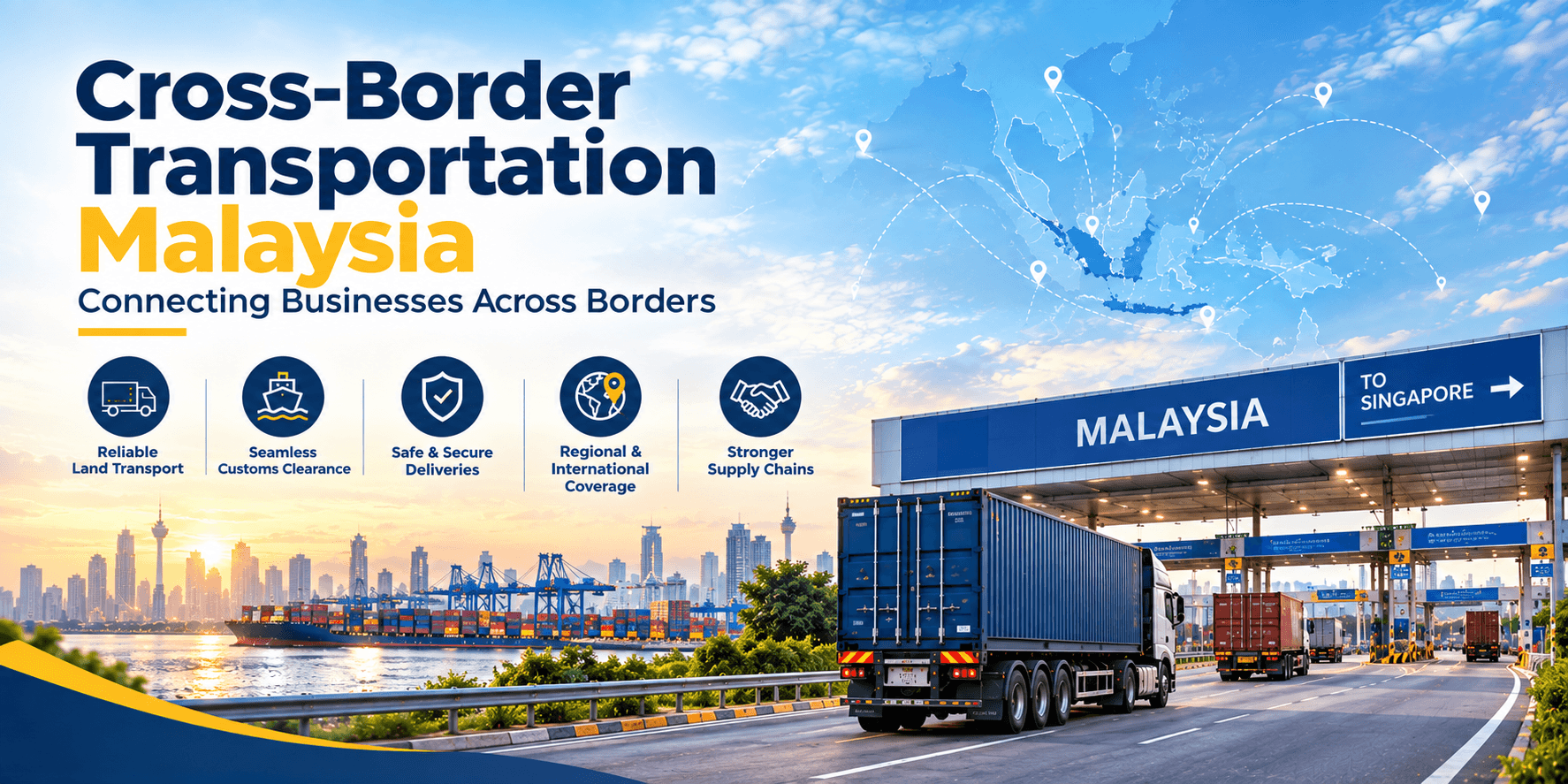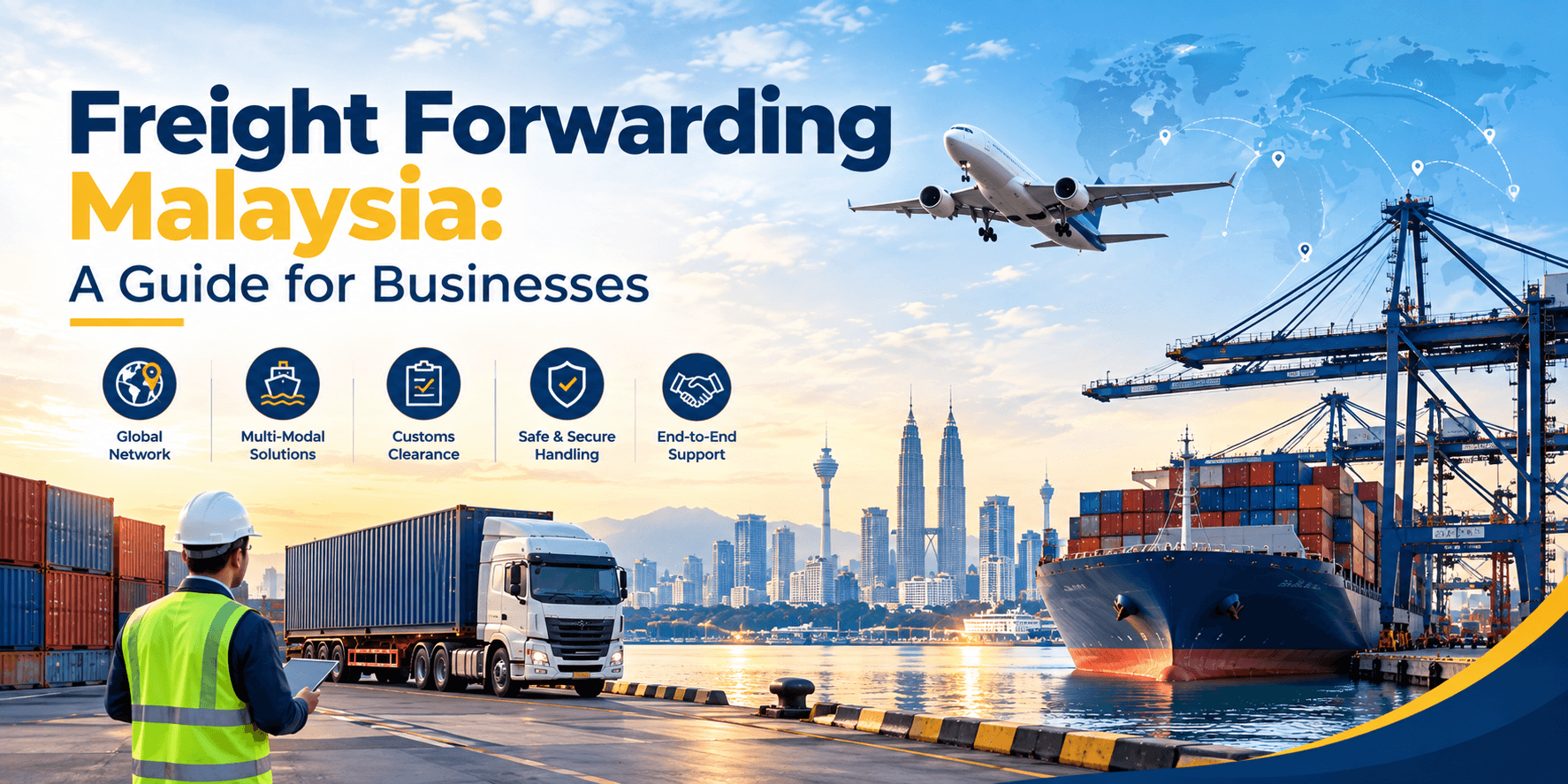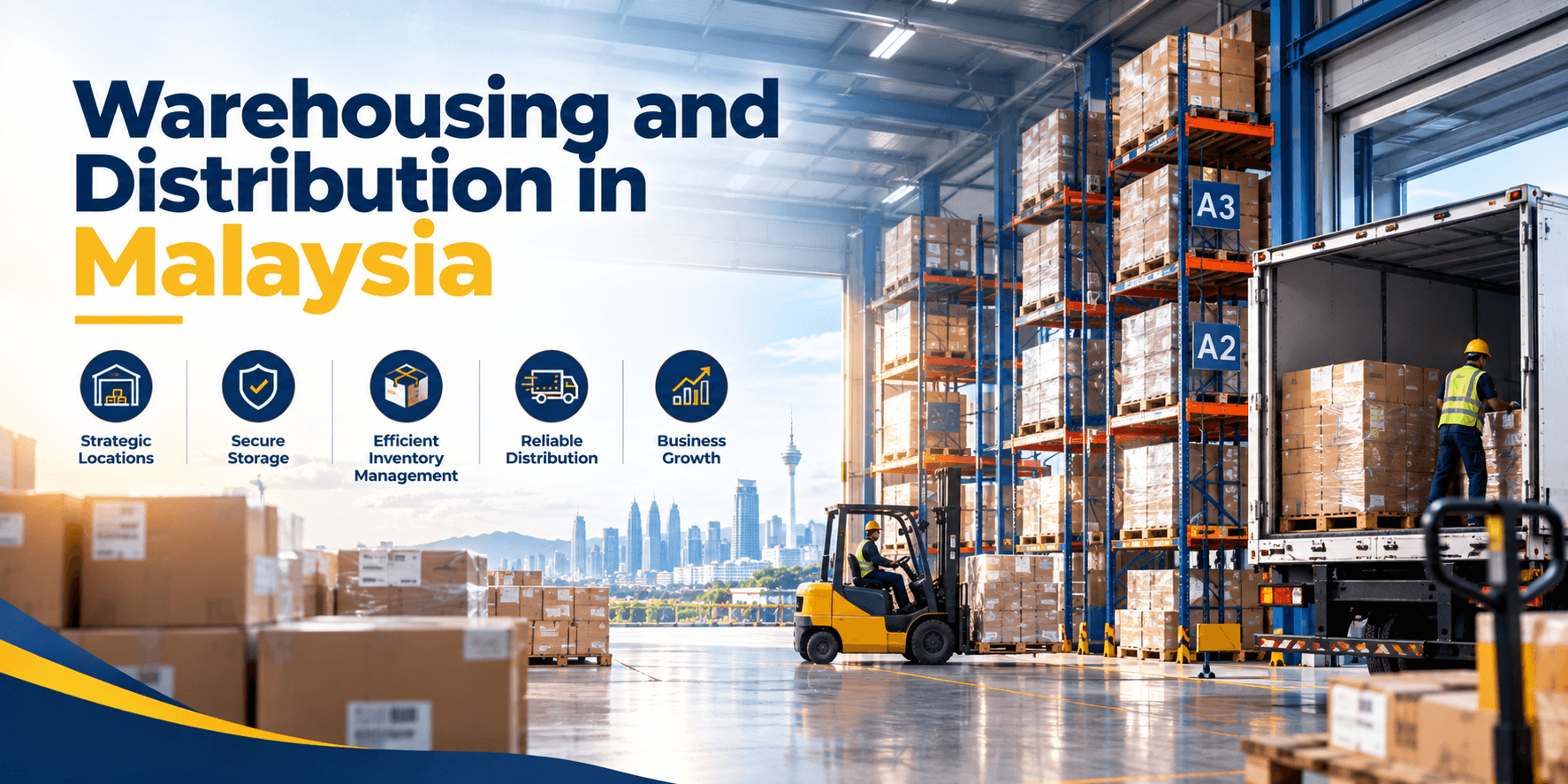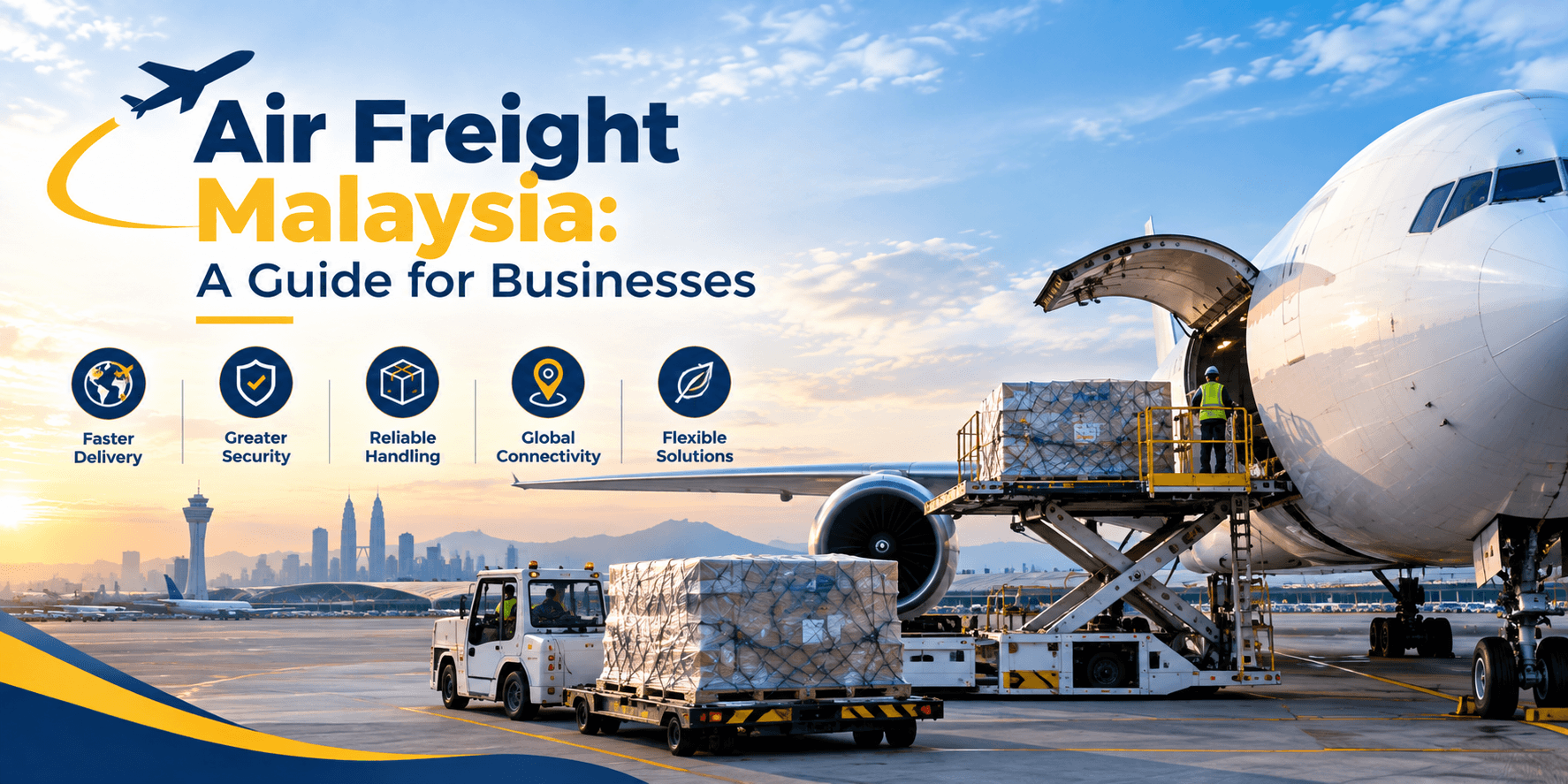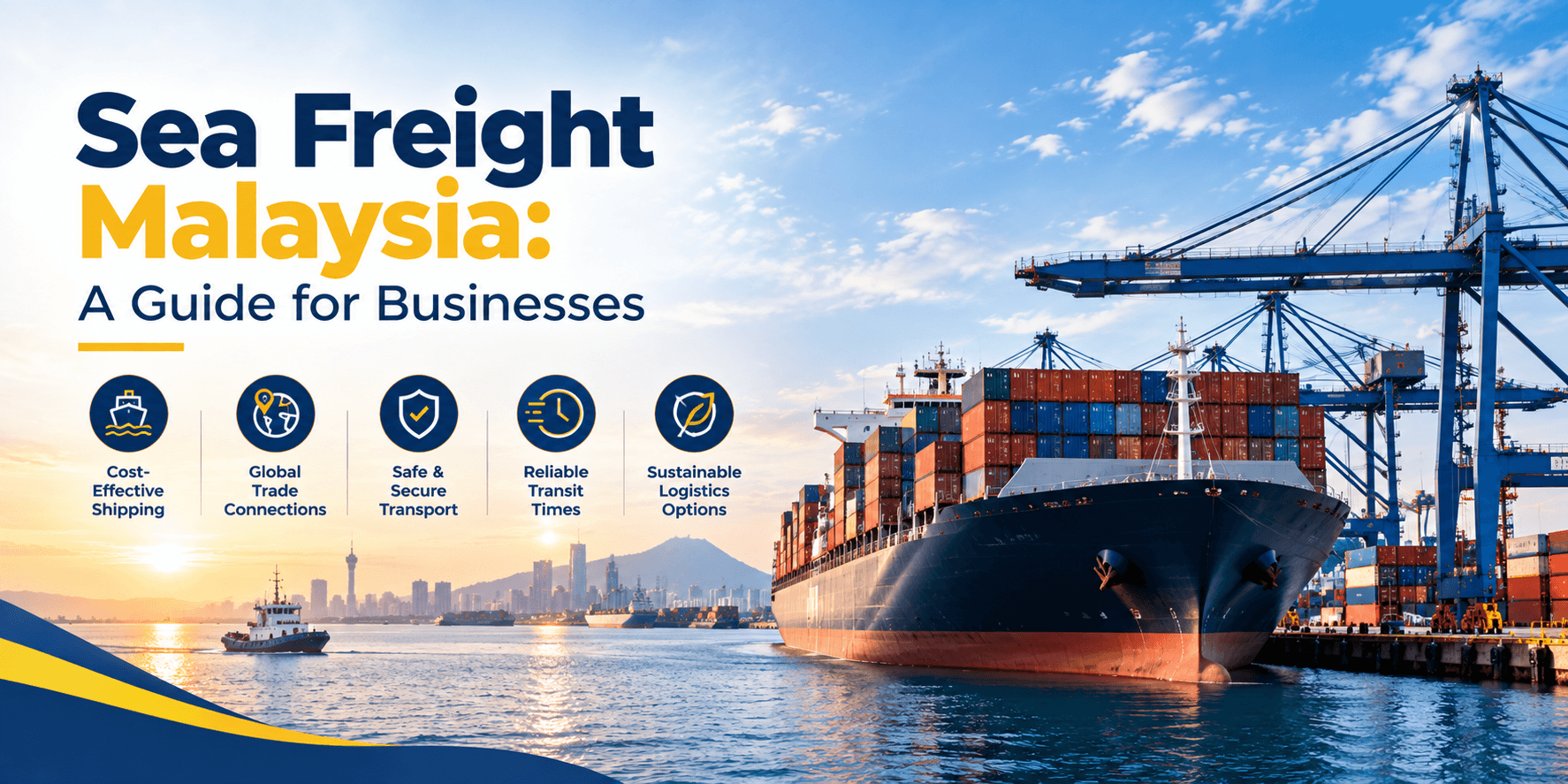
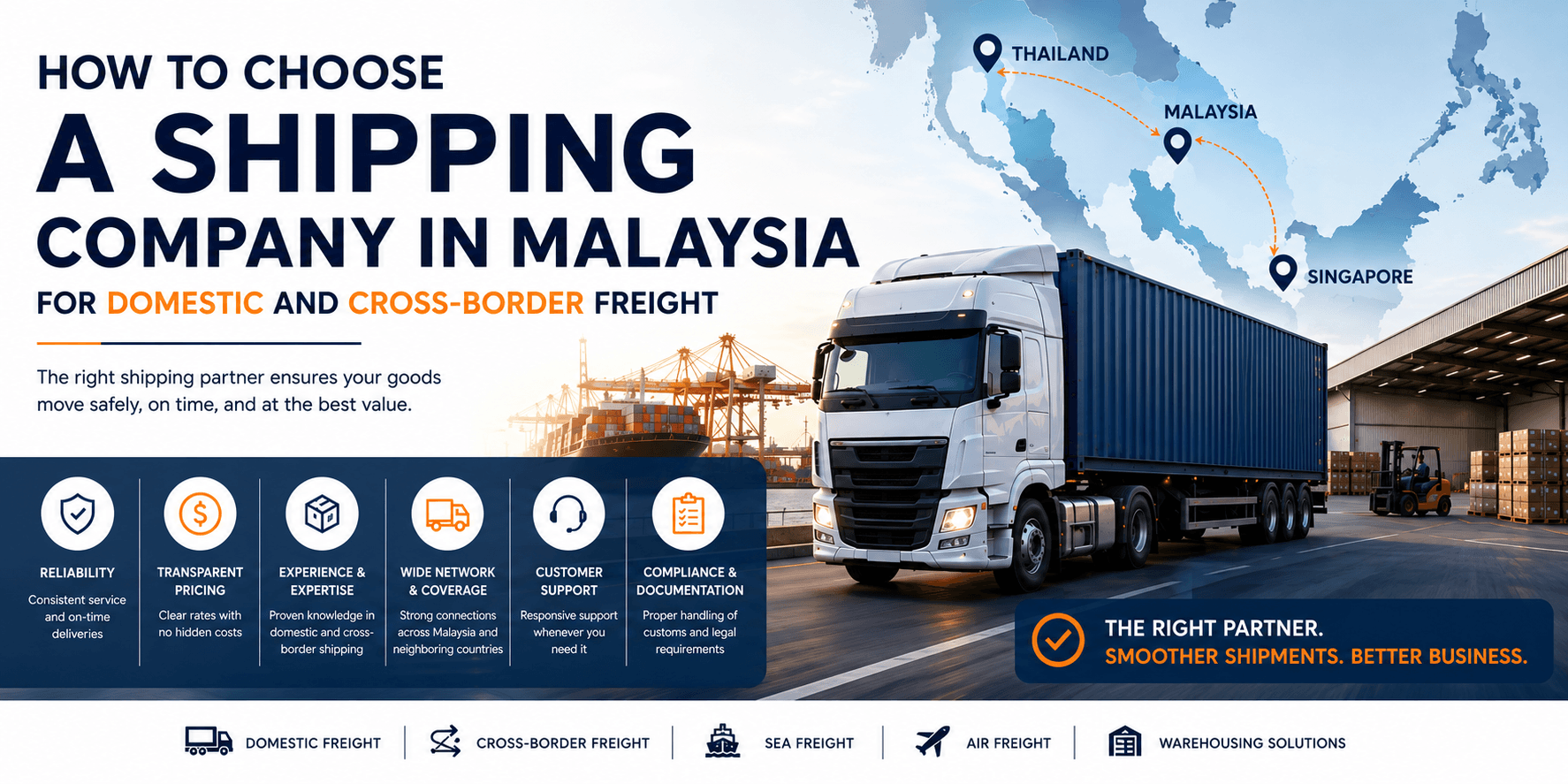
Businesses today rely on efficient logistics to keep inventory moving, production running smoothly and customers satisfied. Whether transporting goods within Malaysia or coordinating freight across international borders, choosing the right shipping company in Malaysia plays an important role in maintaining efficient supply chain operations.
A professional logistics company in Malaysia provides more than transportation. It helps businesses coordinate freight movement, manage delivery schedules and support commercial operations through reliable logistics planning. For companies that regularly move goods between suppliers, manufacturing facilities, warehouses, distribution centres and customers, selecting the right logistics partner can improve operational efficiency while reducing unnecessary disruptions.
Rather than choosing a provider based solely on transportation costs, businesses should evaluate service capabilities, communication standards, operational reliability and industry experience. A logistics partner that understands commercial freight requirements is often better positioned to support long-term business growth.
What Does a Shipping Company in Malaysia Do?
A shipping company in Malaysia helps businesses transport commercial cargo through domestic and cross-border freight solutions. Depending on operational requirements, services may include freight transportation, shipment coordination, logistics planning, warehouse deliveries and supply chain support between suppliers, manufacturers, warehouses, distribution centres and customers.
For businesses managing recurring transportation requirements, working with an experienced logistics provider helps improve shipment planning, delivery coordination and overall supply chain efficiency.
Many businesses associate shipping companies with transporting goods from one location to another. In reality, modern logistics providers support a much broader range of transportation activities that help businesses maintain efficient operations.
Depending on business requirements, a shipping company in Malaysia may assist with:
- Domestic freight transportation
- Cross-border freight coordination
- Commercial cargo movement
- Warehouse-to-warehouse transfers
- Distribution centre deliveries
- Manufacturing supply chain transportation
- Retail inventory replenishment
- Scheduled recurring deliveries
Reliable logistics coordination allows businesses to move goods efficiently while supporting inventory management, production planning and customer fulfilment requirements.
Domestic Freight vs Cross-Border Freight
Businesses may require transportation within Malaysia or between neighbouring countries depending on their operations. Understanding the differences between domestic and cross-border freight helps organisations plan transportation requirements more effectively.
| Domestic Freight | Cross-Border Freight |
| Transportation within Malaysia | Transportation between Malaysia and neighbouring countries |
| Simpler shipment coordination | Additional customs documentation and regulatory requirements |
| Suitable for local supply chains | Supports regional supply chain operations |
| Shorter transportation planning | More detailed logistics coordination |
Businesses operating across multiple markets often require both domestic transportation and cross-border freight solutions as part of their overall logistics strategy.
Industries That Commonly Use Shipping Companies
Reliable logistics support is essential across many industries. While transportation requirements vary, businesses commonly depend on shipping companies to coordinate the movement of commercial cargo efficiently.
Manufacturing
Manufacturers regularly transport raw materials, production components and finished goods between suppliers, factories, warehouses and distribution centres. Consistent freight movement helps minimise production interruptions and maintain manufacturing schedules.
Retail
Retail businesses rely on transportation to replenish inventory, support seasonal demand and distribute products across multiple retail locations. Efficient logistics helps businesses maintain stock availability while meeting customer expectations.
Warehousing and Distribution
Warehouse operators frequently coordinate inventory transfers between storage facilities, fulfilment centres and distribution hubs. Reliable transportation supports inventory management and efficient warehouse operations.
Construction
Construction companies require transportation for machinery, equipment and building materials according to project timelines. Effective logistics planning helps ensure materials arrive when required.
E-Commerce
E-commerce businesses depend on dependable transportation to move products between warehouses, fulfilment centres and distribution networks. Consistent logistics coordination supports efficient order fulfilment and customer satisfaction.
Why Businesses Outsource Logistics
Many businesses choose to outsource transportation rather than managing their own fleet and logistics operations. Partnering with an experienced logistics company in Malaysia allows organisations to focus on their core business activities while benefiting from professional transportation coordination.
Outsourcing logistics may help businesses:
- Reduce fleet ownership and maintenance costs
- Improve transportation flexibility
- Scale logistics operations according to business demand
- Access wider transportation networks
- Improve shipment coordination
- Support business expansion without significant logistics investment
As businesses grow, transportation requirements often become more complex. Working with a dedicated logistics provider enables organisations to respond more effectively to changing operational needs.
Factors to Consider When Choosing a Shipping Company
Selecting the right shipping company in Malaysia requires evaluating more than transportation pricing. Businesses should consider whether a logistics provider can support both current and future operational requirements.
Service Coverage
A logistics provider should support the locations your business regularly serves. Businesses operating throughout Malaysia or requiring regional freight movement should ensure the provider offers suitable domestic and cross-border transportation coverage.
Understanding a provider’s transportation network can help reduce delays and improve delivery coordination across multiple business locations.
Domestic and Cross-Border Capabilities
Some businesses only require transportation within Malaysia, while others regularly coordinate shipments across neighbouring countries. Choosing a logistics provider with suitable transportation capabilities helps ensure freight requirements are managed efficiently as business operations expand.
Commercial Freight Experience
Commercial transportation often involves more than moving cargo between locations. Logistics providers with experience supporting manufacturing, retail, warehousing and distribution businesses are generally better equipped to understand operational requirements, scheduling priorities and supply chain coordination.
Communication and Shipment Coordination
Clear communication plays an important role in successful logistics operations. Businesses should understand how transportation schedules, shipment updates and delivery coordination will be managed throughout the transportation process.
Effective communication helps reduce misunderstandings while supporting more efficient freight planning.
Reliability and Operational Consistency
Reliable transportation helps businesses maintain production schedules, inventory availability and customer delivery commitments. While competitive pricing is important, consistency and operational reliability often provide greater long-term value for businesses managing recurring freight requirements.
Questions Businesses Should Ask Before Choosing a Logistics Partner
Selecting the right shipping company in Malaysia involves more than comparing quotations. Businesses should evaluate whether a logistics provider can support their operational requirements both now and as the business grows.
Before making a decision, consider asking the following questions:
- Does the company support both domestic and cross-border freight?
- What types of commercial cargo do they commonly transport?
- Which industries do they regularly support?
- How are shipment schedules coordinated?
- How are transportation updates communicated?
- Can recurring transportation requirements be accommodated?
- What information should be provided before arranging transportation?
- What areas and freight routes are commonly served?
These questions help businesses better understand whether a logistics provider has the experience, operational processes and communication standards required to support long-term logistics needs.
Common Mistakes When Choosing a Shipping Company
Businesses sometimes focus primarily on transportation costs without considering other factors that affect long-term logistics performance.
Some common mistakes include:
- Choosing a provider based solely on the lowest quotation.
- Not confirming domestic or cross-border service coverage.
- Providing incomplete shipment information during planning.
- Overlooking communication and coordination processes.
- Failing to consider experience with commercial freight.
- Not discussing recurring transportation requirements.
- Assuming all logistics providers offer the same services.
Taking the time to evaluate these areas before engaging a logistics provider can help reduce transportation issues and improve supply chain efficiency.
Transportation Planning Considerations
Successful freight transportation begins with proper planning. Providing accurate shipment information allows logistics providers to coordinate transportation more efficiently and minimise avoidable delays.
Before arranging transportation, businesses should prepare:
- Pickup location
- Delivery location
- Cargo dimensions
- Cargo weight
- Number of pallets or shipment volume
- Loading and unloading requirements
- Preferred delivery schedule
- Site accessibility
- Contact personnel at both pickup and delivery locations
- Special cargo handling requirements, where applicable
Early planning also helps businesses determine whether Full Truck Load (FTL) or Less Than Truck Load (LTL) transportation is more suitable based on shipment size and delivery priorities.
Providing complete shipment details enables logistics teams to recommend transportation solutions that align with operational requirements while improving coordination throughout the delivery process.
Key Considerations for Cross-Border Freight
Businesses involved in regional trade often require transportation between Malaysia and neighbouring countries. Compared to domestic transportation, cross-border freight typically requires additional coordination and planning.
Important considerations include:
- Customs documentation
- Regulatory compliance
- Accurate cargo documentation
- Shipment scheduling
- Coordination between logistics partners
- Delivery timelines
- Communication throughout the transportation process
Planning these requirements in advance helps minimise unnecessary delays and supports smoother cross-border freight operations.
When Should Businesses Review Their Logistics Partner?
Business logistics requirements naturally evolve as organisations grow. A logistics provider that supported a company in its early stages may not always meet future operational needs.
Businesses may consider reviewing their logistics arrangements when they experience:
- Frequent transportation delays
- Poor communication
- Expanding operations into new locations
- Increased shipment volumes
- New domestic or cross-border transportation requirements
- Changes to warehouse or distribution networks
- Higher customer delivery expectations
Regularly assessing logistics performance helps businesses ensure their transportation partner continues to support operational efficiency and long-term growth.
Why Long-Term Logistics Partnerships Matter
Many businesses require transportation services on an ongoing basis rather than arranging one-off shipments.
Working with the same logistics company in Malaysia over time allows both parties to develop a better understanding of transportation requirements, operational priorities and delivery expectations.
Long-term logistics partnerships can contribute to:
- More consistent transportation planning
- Improved communication and coordination
- Better understanding of recurring shipment requirements
- More efficient inventory replenishment
- Greater supply chain visibility
- Stronger operational continuity
As businesses expand, a trusted logistics partner can provide greater flexibility and support for changing transportation needs.
Shipping Support by J&G Global Logistics
J&G Global Logistics supports businesses requiring domestic and cross-border freight transportation across Malaysia. The company assists organisations with commercial cargo movement, logistics planning and freight coordination across a variety of industries.
Businesses transporting goods between manufacturing facilities, warehouses, distribution centres and commercial locations often benefit from working with a logistics partner that prioritises communication, transportation planning and dependable operational support.
Whether supporting recurring freight movements or coordinating transportation between major commercial centres, effective logistics planning helps businesses maintain efficient supply chain operations.
Need a Shipping Company in Malaysia?
Choosing the right logistics partner is an important business decision. Reliable transportation supports inventory management, improves operational efficiency and helps businesses maintain consistent delivery performance.
Whether your organisation requires domestic freight transportation, cross-border logistics, Full Truck Load (FTL), Less Than Truck Load (LTL) or recurring commercial freight movement, selecting an experienced logistics provider can help improve transportation planning and supply chain coordination.
Contact J&G Global Logistics today to discuss your transportation requirements or request a freight quotation for your business.
Frequently Asked Questions
A shipping company in Malaysia coordinates the transportation of commercial cargo, supporting domestic freight, cross-border logistics and supply chain operations for businesses across multiple industries.
Domestic freight involves transporting goods within Malaysia, while cross-border freight involves shipments between Malaysia and neighbouring countries, which generally require additional customs documentation and regulatory coordination.
Manufacturing, retail, warehousing, distribution, construction and e-commerce businesses frequently rely on logistics providers to coordinate commercial freight transportation.
Businesses should evaluate service coverage, transportation capabilities, commercial freight experience, communication standards, operational reliability and industry expertise before selecting a logistics partner.
Businesses should provide pickup and delivery locations, cargo dimensions, cargo weight, shipment volume, loading requirements, preferred delivery schedules and site contact information to support accurate transportation planning.
Yes. Many businesses schedule recurring freight movements to support inventory replenishment, manufacturing operations, warehouse transfers and supply chain continuity.
Outsourcing logistics enables businesses to focus on their core operations while benefiting from professional transportation planning, scalable logistics solutions and broader freight networks without maintaining their own transportation fleet.
Clear communication supports effective shipment coordination, transportation planning and delivery scheduling. It also helps businesses respond more efficiently to operational changes and minimise disruptions throughout the transportation process.
Businesses should consider the provider’s transportation capabilities, service coverage, communication standards, industry experience, operational reliability and ability to support long-term business growth.