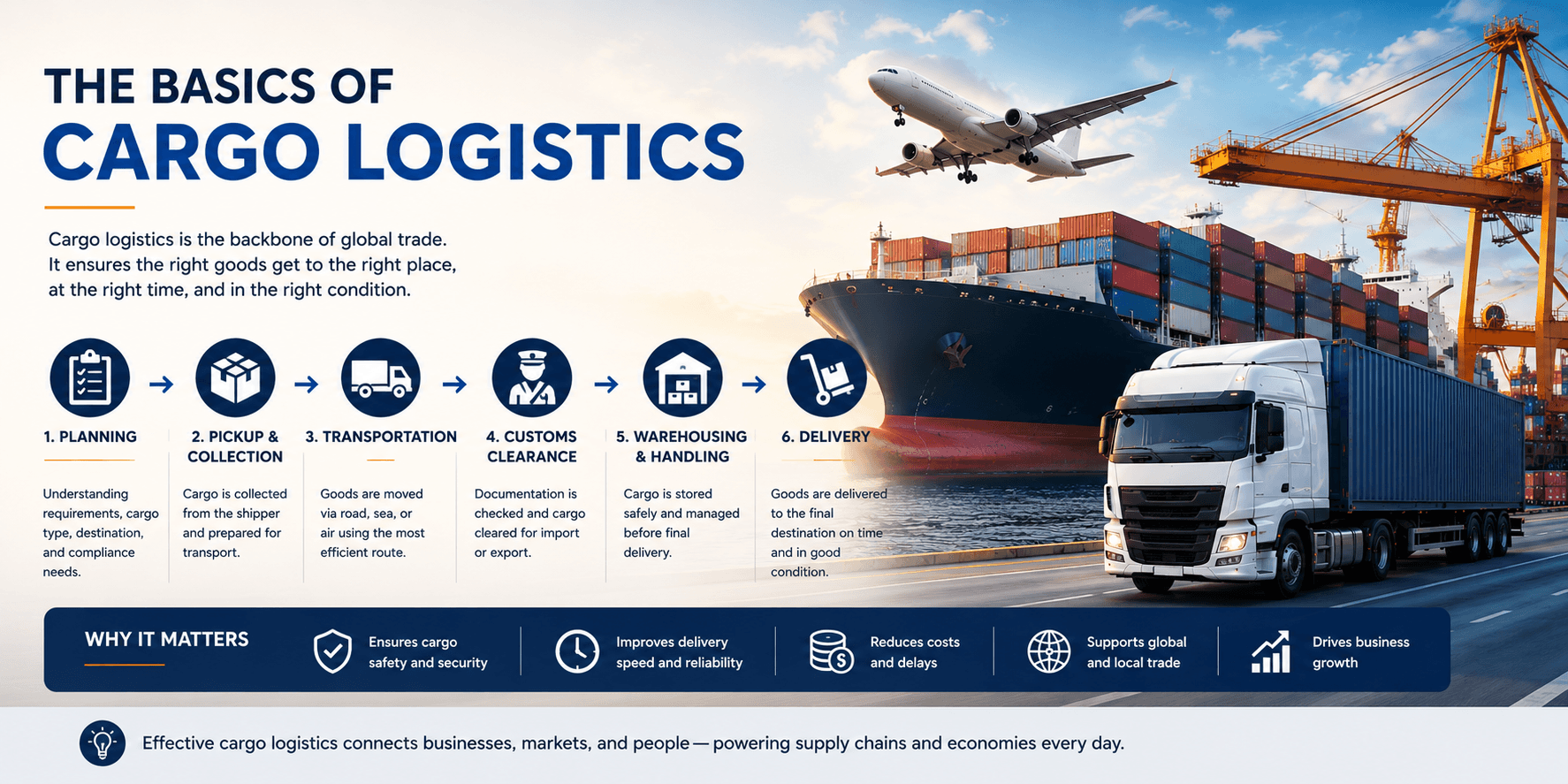
Cargo logistics is the process of planning, coordinating, transporting and managing the movement of commercial goods from one location to another. For businesses across Malaysia, effective logistics ensures that raw materials, finished products and inventory reach the right destination at the right time while supporting efficient supply chain operations.
Whether transporting cargo between manufacturing facilities, warehouses, distribution centres or commercial customers, cargo logistics involves much more than simply arranging transportation. It requires careful planning, accurate shipment coordination and reliable logistics solutions that keep businesses operating efficiently.
For manufacturers, distributors, wholesalers, retailers and warehouse operators, understanding how it works allows businesses to improve inventory management, reduce operational delays and support long-term business growth.
This guide explains the fundamentals of cargo logistics, how commercial freight moves through the supply chain and why businesses benefit from working with an experienced logistics company in Malaysia.
What Is Cargo Logistics?
It refers to the planning, management and coordination of commercial freight throughout the supply chain. It covers every stage of cargo movement, from collection and transportation to warehousing, inventory coordination and final delivery.
Unlike parcel delivery services that focus on individual packages, It is designed for commercial shipments involving palletised freight, manufacturing materials, warehouse inventory, industrial equipment and recurring business deliveries.
A complete logistics solution may include:
- Domestic transportation
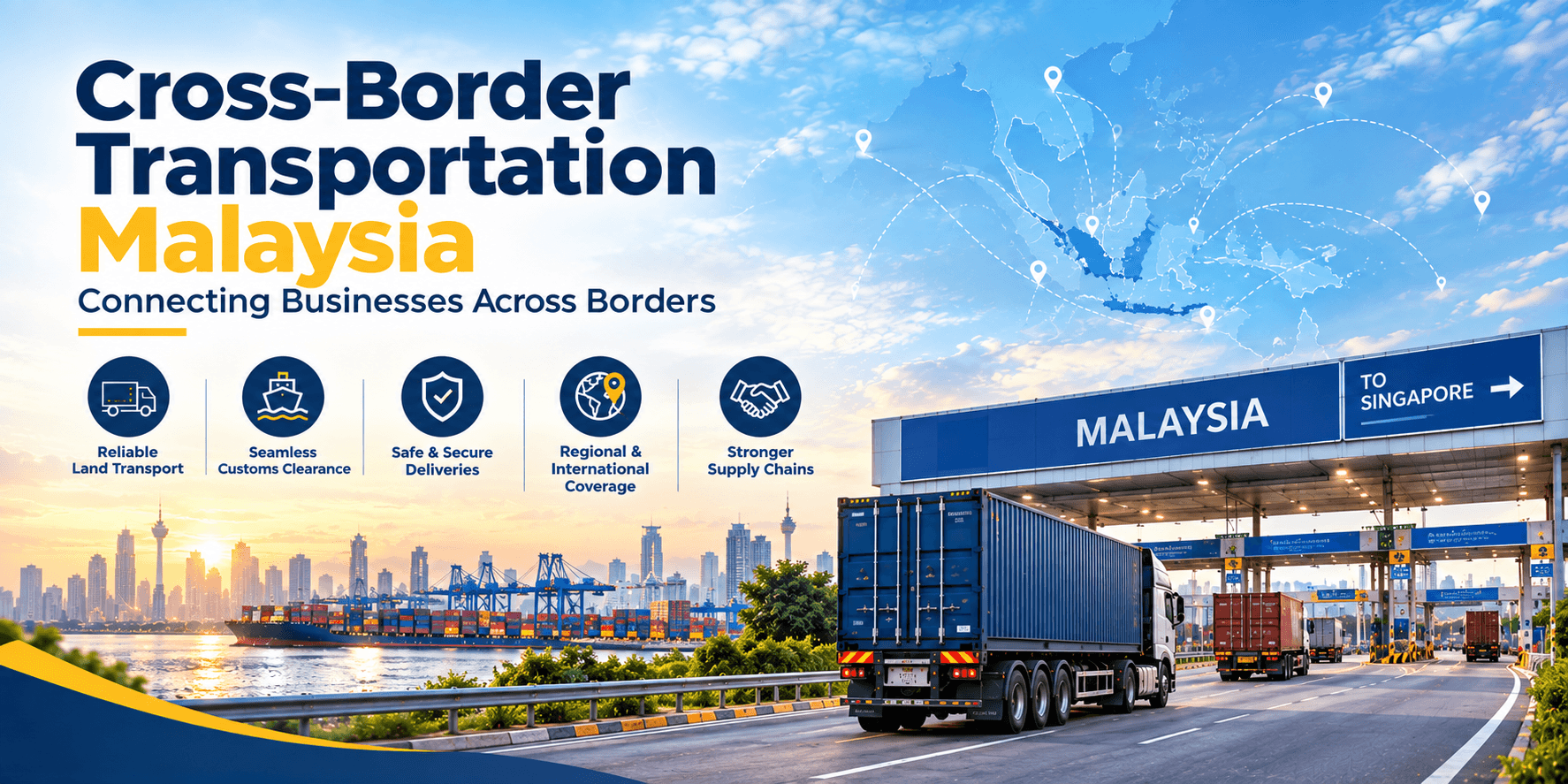
- Cross-border transportation
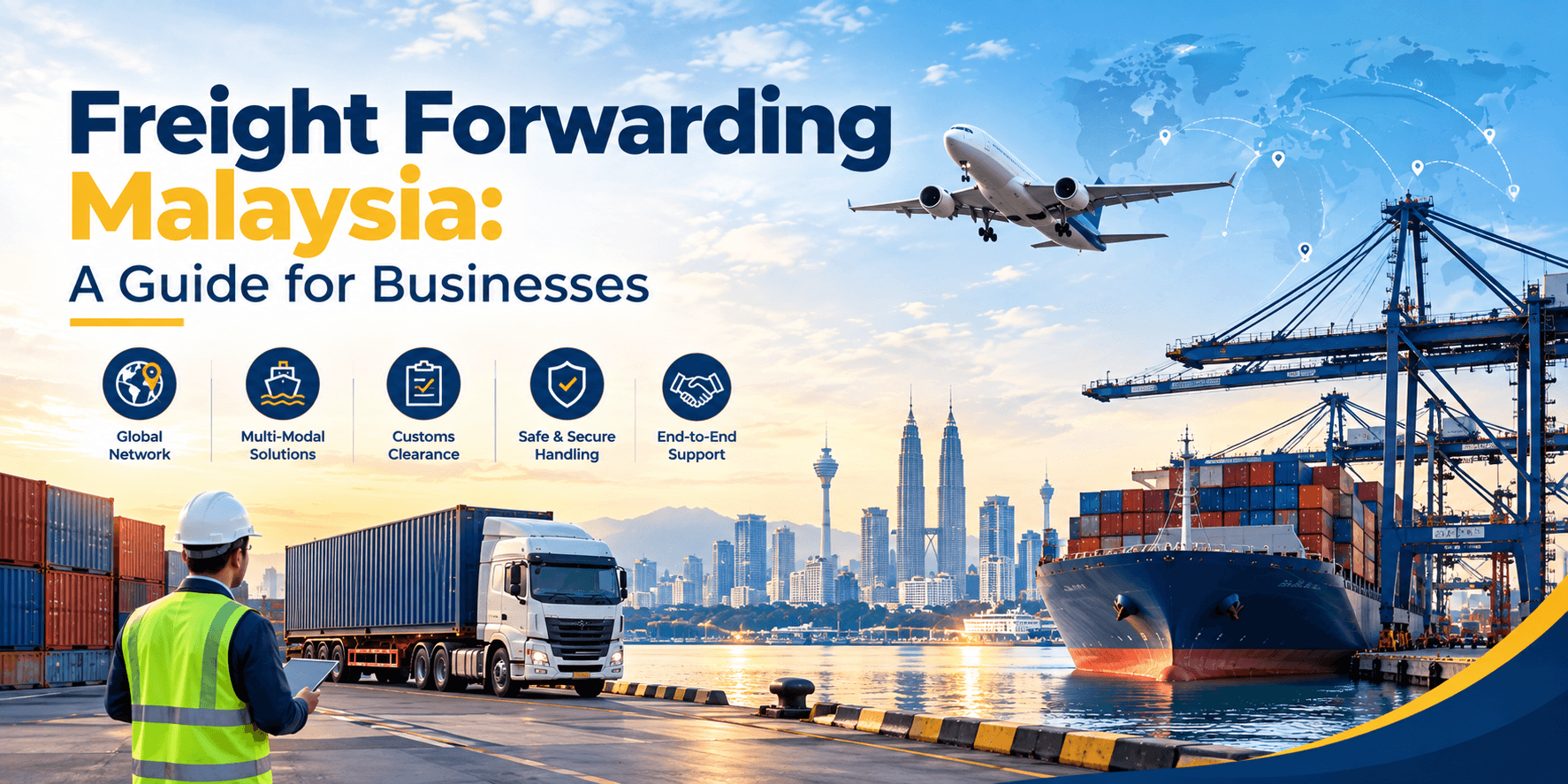
- Sea freight
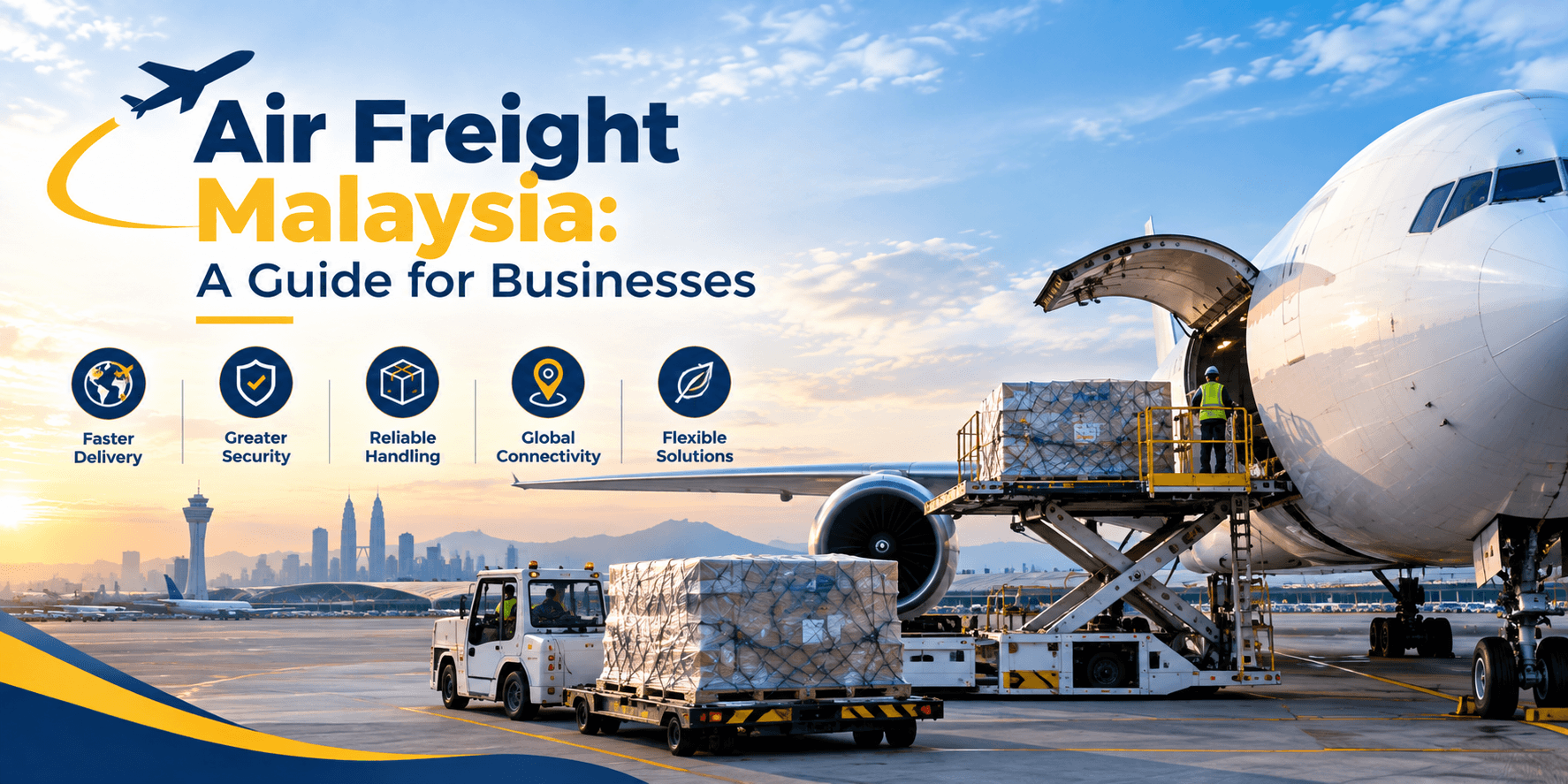
- Air freight
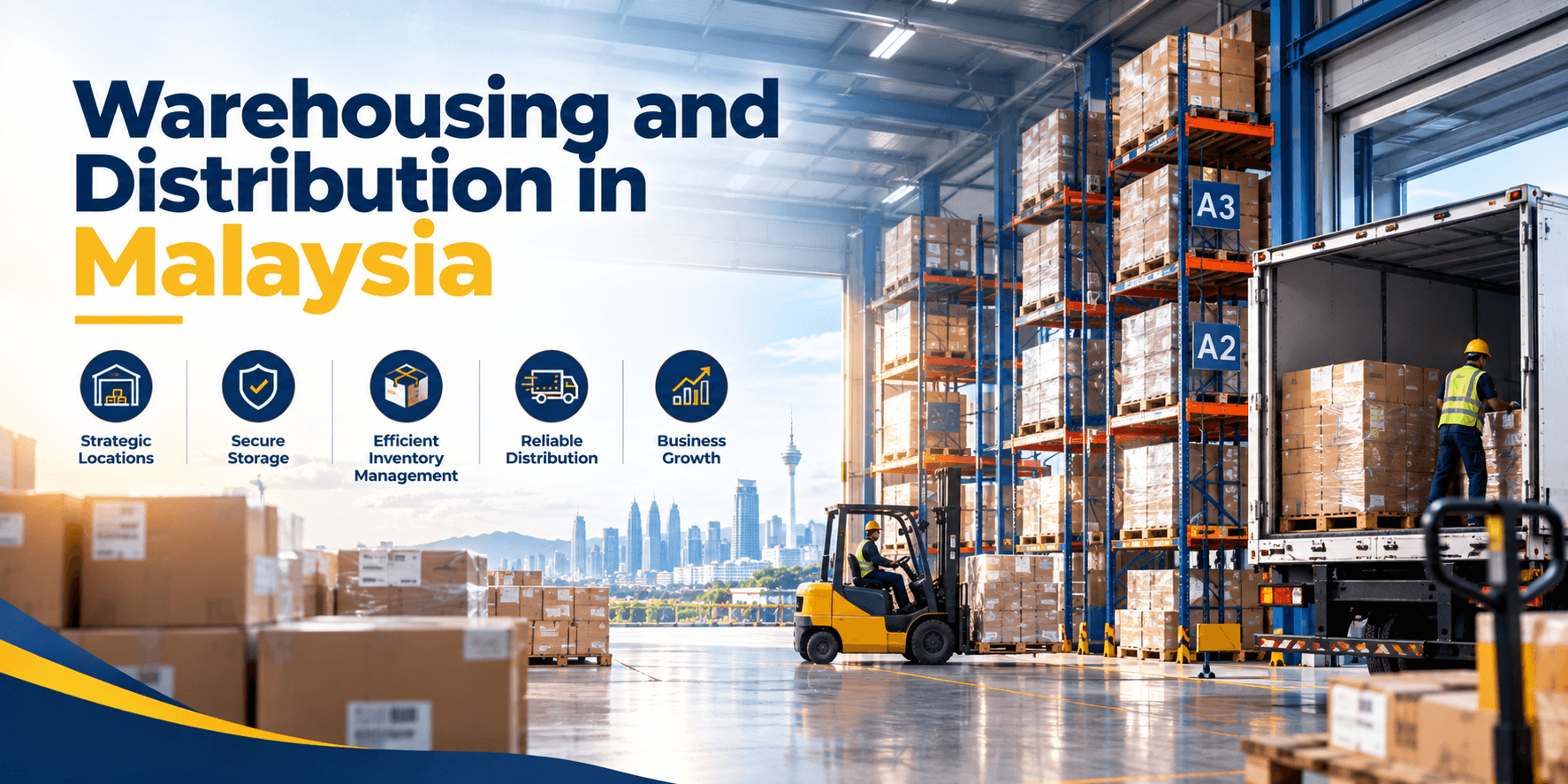
- Warehousing
- Inventory movement
- Distribution planning
- Commercial freight coordination
Each stage works together to ensure cargo moves efficiently while supporting business operations.
Why Cargo Logistics Is Important for Businesses
Every business that manufactures, distributes, stores or sells products depends on efficient logistics.
Without organised logistics planning, businesses may experience:
- Production delays
- Inventory shortages
- Missed delivery schedules
- Higher transportation costs
- Warehouse congestion
- Poor customer service
Well-managed logistics allows businesses to:
- Maintain inventory availability
- Improve warehouse efficiency
- Support manufacturing operations
- Coordinate supplier deliveries
- Reduce unnecessary transportation delays
- Improve overall supply chain performance
As businesses grow, logistics becomes increasingly important because freight volumes, delivery locations and transportation requirements become more complex.
The Key Stages of Cargo Logistics
Successful logistics involves several connected stages that work together to move commercial goods efficiently.
Shipment Planning
Every shipment begins with planning.
Businesses first determine:
- cargo type
- shipment volume
- pickup location
- delivery destination
- delivery schedule
- transportation requirements
Providing accurate shipment information allows logistics providers to recommend suitable transportation solutions while improving freight coordination.
Cargo Preparation
Before transportation begins, cargo must be prepared correctly.
Preparation usually includes:
- secure packaging
- accurate measurements
- weight verification
- palletising cargo
- shipment labelling
- loading preparation
Well-prepared cargo reduces handling delays while improving transportation efficiency.
Freight Transportation
Transportation moves cargo between locations using the most appropriate solution.
Depending on business requirements, transportation may involve:
- road freight
- sea freight
- air freight
- cross-border transportation
Vehicle selection depends on shipment size, cargo characteristics and delivery schedules.
Warehousing
Many businesses require temporary storage before inventory reaches its final destination.
Warehousing supports:
- inventory management
- order fulfilment
- stock replenishment
- distribution planning
Integrating warehousing into cargo logistics helps businesses improve inventory control while supporting faster commercial deliveries.
Final Delivery
The final stage involves delivering cargo to warehouses, factories, retail stores, distribution centres or commercial customers.
Accurate scheduling and communication help ensure deliveries are completed according to operational requirements.
Types of Cargo Logistics
Different businesses require different solutions depending on the type of cargo being transported.
Domestic Cargo Logistics
Domestic logistics supports freight movement throughout Peninsular Malaysia.
Businesses commonly transport goods between:
- Johor Bahru
- Kuala Lumpur
- Selangor
- Penang
- Melaka
- Negeri Sembilan
- Perak
Domestic transportation forms the backbone of many commercial supply chains by connecting suppliers, warehouses and customers.
Cross-Border Cargo Logistics
Businesses trading internationally often require cross-border transportation.
For companies operating between Malaysia and Singapore, cross-border transportation supports:
- manufacturing supply chains
- warehouse replenishment
- commercial deliveries
- regional distribution
Effective planning helps ensure cargo moves efficiently between both countries.
Sea Freight Logistics
Sea freight is commonly used for larger commercial shipments requiring cost-effective transportation over longer distances.
Businesses often use sea freight for:
- import cargo
- export cargo
- container shipments
- international freight
Air Freight Logistics
Air freight is suitable for shipments requiring faster delivery.
Businesses may choose air freight when transporting:
- urgent inventory
- high-value goods
- time-sensitive commercial shipments
Although typically more expensive than sea freight, air freight provides significantly shorter transit times.
Businesses That Depend on Cargo Logistics
Logistics supports almost every commercial industry.
Manufacturing
Manufacturers rely on organised logistics to transport raw materials, production components and finished goods between factories, warehouses and customers.
Retail
Retail businesses require regular inventory movement to maintain product availability across stores and distribution centres.
Wholesale and Distribution
Wholesalers coordinate recurring freight movement between warehouses, suppliers and commercial customers.
Warehouse Operations
Warehouse operators depend on logistics for inventory transfers, storage coordination and fulfilment operations.
Construction
Construction companies transport machinery, equipment and building materials between suppliers and project sites.
FMCG
Fast-moving consumer goods businesses require frequent transportation to replenish inventory and maintain product availability.
Each industry has different operational requirements, making flexible logistics planning essential for efficient movement.
Common Cargo Logistics Challenges
Even businesses with well-established supply chains can encounter challenges if cargo movement is not planned and coordinated effectively. Understanding these issues allows businesses to improve operational efficiency while reducing avoidable disruptions.
Some of the most common cargo logistics challenges include:
- Inaccurate shipment information
- Delays in production or inventory availability
- Poor coordination between warehouses and transport providers
- Last-minute schedule changes
- Unsuitable vehicle allocation
- Limited loading or unloading access
- Communication gaps between stakeholders
- Increasing transportation costs
Many of these challenges can be minimised through accurate shipment planning, clear communication and working with an experienced logistics provider that understands commercial freight operations.
Best Practices for Effective Cargo Logistics
Successful cargo logistics depends on more than transportation alone. Businesses that establish structured logistics processes are generally better positioned to maintain consistent freight movement while supporting long-term operational performance.
Plan Shipments Early
Preparing shipment schedules in advance provides greater flexibility when coordinating transportation, warehouse operations and delivery timelines. Early planning also allows businesses to identify potential issues before freight is collected.
Maintain Accurate Shipment Information
Providing complete cargo details helps logistics providers recommend suitable transportation solutions and allocate the appropriate vehicle for each shipment.
Businesses should prepare:
- Cargo dimensions
- Shipment weight
- Number of pallets or packages
- Pickup location
- Delivery destination
- Preferred transportation schedule
- Special handling requirements
Accurate information improves booking efficiency while reducing unnecessary delays.
Coordinate Internal Operations
It involves multiple departments, including purchasing, warehouse operations, production, inventory management and logistics coordination. Ensuring internal teams are aligned before transportation begins helps improve overall shipment efficiency.
Prepare Cargo Properly
Cargo should be packed securely, labelled clearly and prepared for loading before collection. Proper preparation supports safer transportation while reducing handling delays.
Communicate Throughout the Process
Maintaining clear communication between logistics providers, warehouse personnel, suppliers and receiving parties helps minimise misunderstandings and improve delivery coordination.
How to Choose the Right Cargo Logistics Provider
Selecting a logistics provider involves more than comparing freight rates. Businesses should evaluate whether the provider has the operational capability, transportation network and commercial experience to support ongoing supply chain requirements.
When evaluating a cargo logistics provider, consider:
Industry Experience
Choose a logistics company with experience supporting commercial industries such as manufacturing, warehousing, wholesale, retail and distribution.
Transportation Capabilities
A provider offering multiple logistics solutions—including domestic transportation, cross-border freight, sea freight, air freight and warehousing—can better support changing business requirements.
Geographic Coverage
Businesses operating across Malaysia should confirm that the provider serves major commercial regions throughout Peninsular Malaysia and supports cross-border transportation where required.
Communication Standards
Reliable communication throughout the shipment process helps businesses monitor freight movement while reducing operational uncertainty.
Scalability
As businesses grow, shipment volumes and logistics requirements often become more complex. Working with a provider capable of supporting future expansion creates greater operational consistency over time.
Cargo Logistics Checklist for Businesses
Before arranging commercial freight, businesses can use the following checklist to improve cargo logistics planning:
- Confirm cargo dimensions and weight
- Prepare complete shipment information
- Verify pickup and delivery addresses
- Coordinate warehouse operations
- Prepare cargo for loading
- Confirm collection and delivery schedules
- Communicate any special handling requirements
- Review transportation arrangements before dispatch
- Ensure receiving personnel are informed
- Maintain communication throughout the shipment
Following a structured cargo logistics process helps businesses reduce operational disruptions while improving transportation efficiency.
Why Businesses Choose J&G Global Logistics
J&G Global Logistics supports businesses across Malaysia with practical cargo logistics solutions tailored to commercial freight requirements. By combining domestic transportation, cross-border transportation, sea freight, air freight and warehousing services, the company helps manufacturers, distributors, wholesalers, retailers and warehouse operators coordinate freight more efficiently throughout the supply chain.
Rather than offering standard transportation alone, every shipment is planned according to cargo characteristics, operational priorities and delivery schedules. This enables businesses to improve logistics coordination while maintaining greater visibility across their commercial operations.
Whether managing recurring freight movement, warehouse replenishment, manufacturing logistics or cross-border transportation between Johor Bahru and Singapore, J&G Global Logistics focuses on reliable cargo movement, organised planning and responsive customer support.
If your business is looking for an experienced cargo logistics provider in Malaysia, contact J&G Global Logistics today to discuss your freight requirements and discover how integrated logistics solutions can support your supply chain.
Frequently Asked Questions
Cargo logistics is the process of planning, coordinating, transporting and managing commercial goods throughout the supply chain. It includes shipment planning, transportation, warehousing, inventory coordination and final delivery.
Cargo logistics helps businesses move raw materials, finished goods and inventory efficiently between suppliers, warehouses, production facilities and customers. Well-managed logistics supports smoother supply chain operations while reducing delays and operational costs.
Manufacturers, wholesalers, distributors, retailers, warehouse operators, construction companies and FMCG businesses all rely on cargo logistics to support daily commercial operations and recurring freight movement.
Cargo logistics may include domestic transportation, cross-border transportation, sea freight, air freight, warehousing, inventory management, cargo coordination and commercial freight planning. The exact services depend on business requirements and shipment characteristics.
Freight transportation refers specifically to moving goods from one location to another. Cargo logistics is broader and includes planning, warehousing, inventory coordination, transportation management and overall supply chain support.
Businesses can improve cargo logistics by preparing accurate shipment information, coordinating internal operations, planning freight schedules in advance, maintaining clear communication and working with an experienced logistics company that understands commercial freight requirements.
J&G Global Logistics provides integrated cargo logistics solutions across Malaysia, including domestic transportation, cross-border freight, sea freight, air freight and warehousing. By aligning logistics services with business operations, the company helps customers improve cargo movement while supporting efficient and reliable supply chain performance.