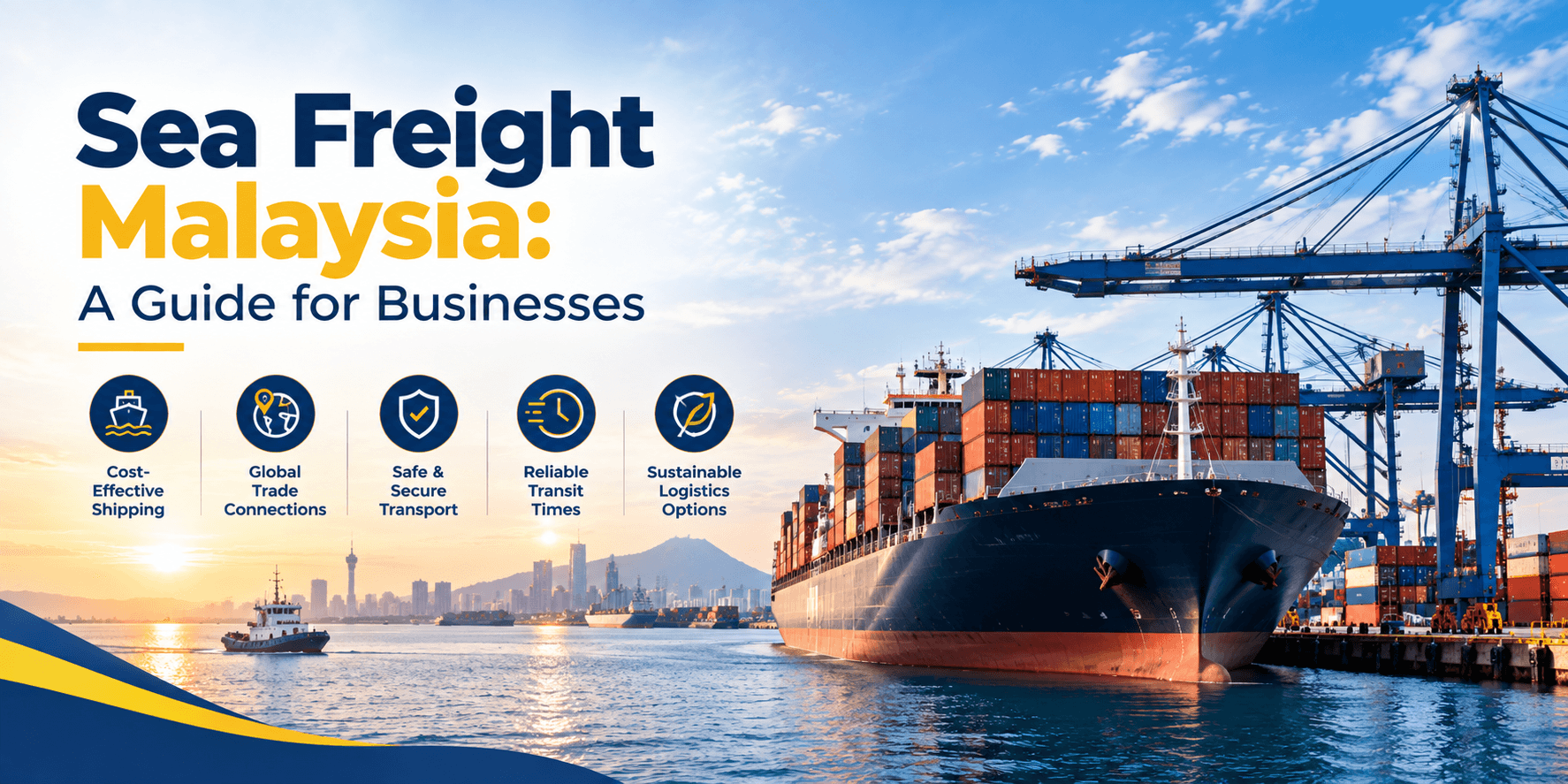

Global shipping continues to evolve as businesses adapt to changing supply chains, digital technologies, customer expectations and international trade. The future of global shipping is no longer focused solely on transporting cargo from one destination to another. It is increasingly driven by smarter logistics planning, greater supply chain visibility, automation and sustainable transportation practices that help businesses remain competitive in a rapidly changing market.
For manufacturers, distributors, wholesalers, retailers and warehouse operators, understanding the future of global shipping is becoming an important part of long-term business planning. As freight volumes increase and supply chains become more interconnected, businesses need logistics solutions that are reliable, flexible and capable of supporting changing operational requirements.
Malaysia continues to play an important role in regional logistics due to its strategic location within Southeast Asia. Businesses involved in domestic transportation, cross-border freight and international trade are already seeing significant changes in how commercial cargo is planned, managed and transported. Companies that understand these developments will be better positioned to strengthen supply chain resilience while improving operational efficiency.
This guide explores the major trends shaping the future of global shipping and explains how businesses can prepare for the next generation of commercial logistics.
Why the Future of Global Shipping Is Changing
The global logistics industry has experienced significant transformation over the past decade. Businesses now face increasing customer expectations, rising transportation costs, evolving international trade requirements and greater pressure to improve supply chain efficiency.
Several factors continue to influence the future of global shipping, including:
- Digital transformation across logistics operations
- Growing demand for real-time shipment visibility
- Increased cross-border trade within Southeast Asia
- Supply chain diversification
- Sustainability initiatives
- Automation across transportation and warehousing
- Greater use of logistics data for decision-making
Rather than relying on traditional transportation methods alone, businesses are investing in logistics strategies that improve flexibility, minimise disruption and support long-term operational growth.
Trend 1: Digital Transformation Is Reshaping Global Shipping
One of the biggest drivers of the future of global shipping is digital transformation. Modern logistics providers increasingly rely on digital systems to improve shipment planning, transportation coordination and communication throughout the supply chain.
Instead of managing freight through manual processes, businesses now benefit from digital logistics solutions that improve operational visibility while reducing administrative complexity.
Examples of digital transformation include:
- Electronic shipment documentation
- Digital freight booking systems
- Cloud-based logistics platforms
- Automated transport scheduling
- Digital inventory management
- Online shipment tracking
- Electronic proof of delivery
Digital logistics enables businesses to respond more quickly to operational changes while improving collaboration between suppliers, warehouses, transport providers and customers.
As commercial supply chains become increasingly connected, digital processes will continue to play a central role in the future of global shipping.
Trend 2: Real-Time Shipment Visibility Will Become the Standard
Businesses increasingly expect greater transparency throughout the transportation process. Rather than waiting for periodic shipment updates, companies want immediate access to freight information that supports faster operational decisions.
Real-time shipment visibility allows businesses to:
- Monitor cargo movement
- Improve inventory planning
- Respond to transportation delays
- Coordinate warehouse operations
- Improve customer communication
- Strengthen supply chain planning
For manufacturers and distributors managing recurring freight movements, having accurate shipment information helps reduce uncertainty while improving day-to-day logistics coordination.
As technology continues to improve, shipment visibility is expected to become a standard feature across commercial logistics rather than an optional service.
Trend 3: Artificial Intelligence Will Improve Logistics Planning
Artificial intelligence (AI) is beginning to transform how logistics companies analyse data, allocate transportation resources and improve operational planning.
Rather than replacing logistics professionals, AI helps businesses make faster and more informed decisions by analysing large volumes of transportation data.
In the future of global shipping, AI may support:
- Route optimisation
- Freight demand forecasting
- Vehicle allocation
- Capacity planning
- Shipment scheduling
- Predictive maintenance for transport fleets
- Risk identification across supply chains
These technologies help logistics providers improve operational efficiency while allowing businesses to respond more effectively to changing freight requirements.
As AI capabilities continue to develop, businesses that adopt data-driven logistics strategies will be better positioned to improve supply chain performance.
Trend 4: Supply Chain Resilience Is Becoming a Business Priority
Recent global disruptions have demonstrated the importance of building resilient supply chains that can adapt to changing market conditions. Rather than focusing only on transportation costs, businesses are increasingly prioritising flexibility, reliability and contingency planning.
The future of global shipping will place greater emphasis on:
- Diversifying supplier networks
- Improving inventory planning
- Building flexible transportation strategies
- Reducing dependency on single transport routes
- Strengthening regional distribution networks
- Enhancing communication across supply chains
For businesses operating in Malaysia, combining domestic transportation with cross-border logistics provides greater flexibility when responding to changes in customer demand or operational requirements.
A resilient supply chain enables businesses to maintain continuity while reducing the impact of unexpected transportation challenges.
Trend 5: Cross-Border Trade Will Continue to Expand
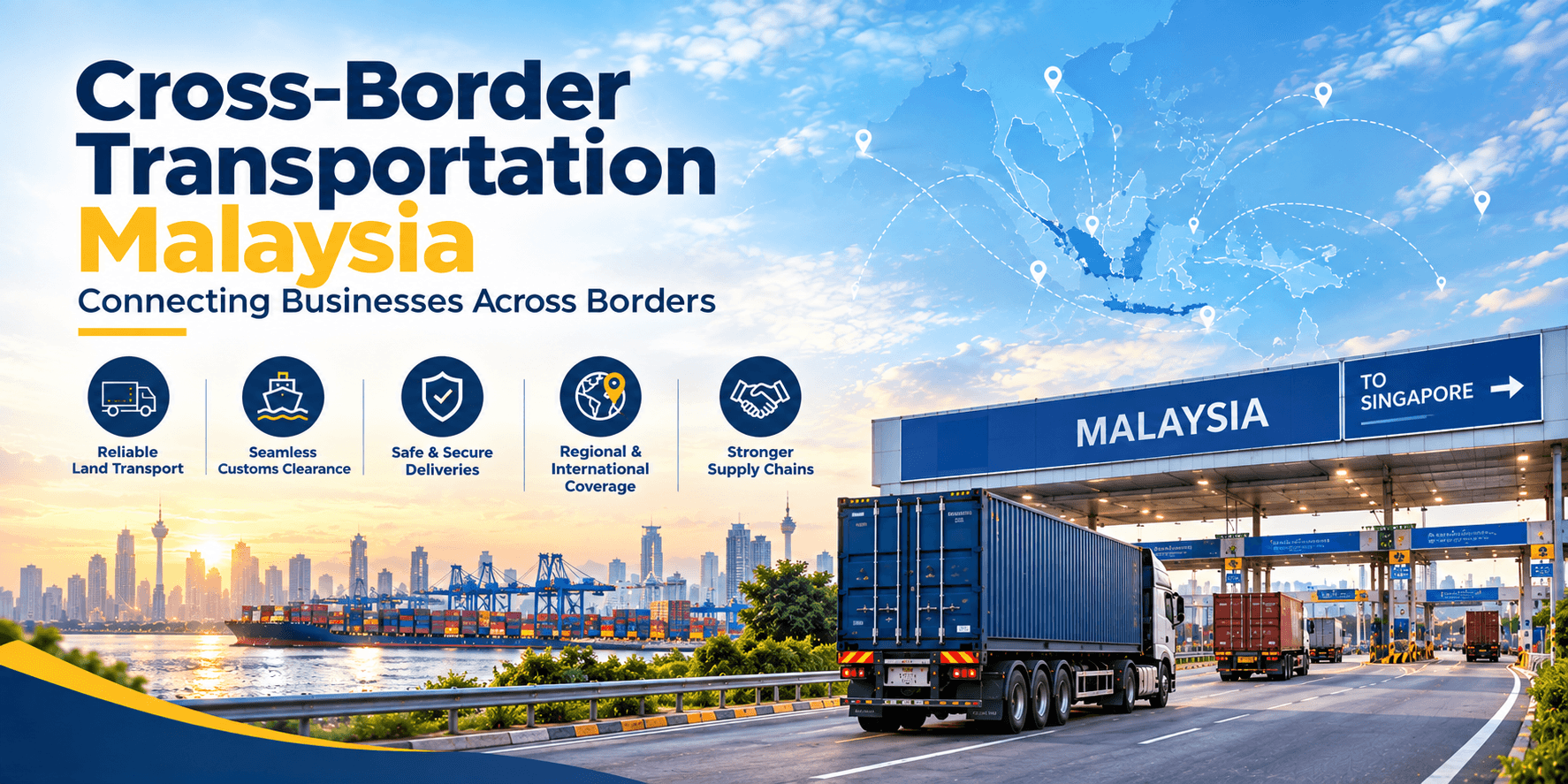
Cross-border transportation remains one of the fastest-growing areas of commercial logistics throughout Southeast Asia. As regional trade continues to develop, businesses increasingly require reliable transportation between neighbouring countries to support manufacturing, distribution and inventory management.
Malaysia’s strategic location positions it as an important logistics hub connecting regional markets. Businesses frequently coordinate commercial freight between Malaysia and Singapore while also supporting wider ASEAN supply chain operations.
As cross-border freight volumes continue to grow, businesses will increasingly benefit from logistics providers that understand:
- Regional transportation networks
- Cross-border freight coordination
- Commercial shipment planning
- Distribution efficiency
- Integrated logistics solutions
The future of global shipping will continue to depend on efficient regional connectivity that enables businesses to move commercial cargo quickly, reliably and cost-effectively.
Trend 6: Sustainability Will Shape the Future of Global Shipping
Sustainability is becoming a major focus across the logistics industry as businesses look for practical ways to improve operational efficiency while reducing environmental impact. Customers, business partners and supply chain stakeholders increasingly expect companies to adopt responsible logistics practices that support long-term business objectives.
While every business has different sustainability goals, the future of global shipping is expected to include greater emphasis on:
- Better vehicle utilisation
- More efficient route planning
- Reduced empty return trips
- Optimised warehouse operations
- Improved fuel efficiency
- Consolidated freight movements
- Digital documentation to reduce paper usage
Rather than viewing sustainability solely as an environmental initiative, many businesses now recognise that efficient logistics planning can also improve productivity, reduce operational waste and support cost management.
Working with an experienced logistics provider helps businesses identify transportation strategies that improve both operational performance and resource efficiency.
Trend 7: Smart Warehousing Will Support Faster Supply Chains
Warehousing is no longer simply about storing inventory. Modern warehouse operations are becoming increasingly integrated with transportation planning, allowing businesses to manage inventory more efficiently while supporting faster freight movement.
The future of global shipping will see stronger connections between warehousing and transportation through:
- Digital inventory management
- Automated stock control
- Improved warehouse scheduling
- Faster order fulfilment
- Better inventory visibility
- Integrated distribution planning
For businesses managing recurring commercial freight, well-organised warehousing helps minimise unnecessary delays between receiving inventory, preparing shipments and dispatching cargo.
Combining transportation with efficient warehousing enables businesses to maintain smoother supply chain operations while improving customer service and inventory availability.
Trend 8: Data-Driven Logistics Will Improve Decision-Making
Modern logistics generates significant amounts of operational data. Businesses increasingly use this information to improve transportation planning, monitor freight performance and identify opportunities for greater efficiency.
Rather than relying on assumptions, businesses can make informed logistics decisions by analysing information such as:
- Shipment frequency
- Delivery performance
- Freight volumes
- Inventory movement
- Route efficiency
- Vehicle utilisation
- Warehouse throughput
Access to accurate logistics data helps businesses identify trends, forecast transportation requirements and improve long-term supply chain planning.
As digital technologies continue to develop, data-driven logistics will become an increasingly valuable competitive advantage for commercial organisations.
How Businesses Can Prepare for the Future of Global Shipping
Although logistics continues to evolve, businesses can prepare by strengthening their transportation planning and building more flexible supply chain processes.
Some practical ways businesses can prepare include:
Review Existing Logistics Processes
Evaluate current transportation workflows to identify areas where efficiency, communication or shipment planning can be improved.
Improve Shipment Planning
Preparing accurate cargo information and coordinating shipments in advance allows logistics providers to recommend suitable transportation solutions while reducing operational disruptions.
Build Strong Logistics Partnerships
Long-term relationships with experienced logistics providers help businesses adapt more easily as transportation requirements evolve.
Invest in Supply Chain Visibility
Improving communication between suppliers, warehouses, transport providers and receiving locations allows businesses to respond more quickly when operational changes occur.
Plan for Business Growth
Transportation requirements often become more complex as businesses expand. Choosing scalable logistics solutions today helps support future growth without disrupting supply chain operations.
Businesses that proactively prepare for these changes will be better positioned to maintain efficient freight movement while adapting to new industry developments.
Why the Future of Global Shipping Matters for Malaysian Businesses
Malaysia remains one of Southeast Asia’s key logistics and trading hubs, making commercial transportation an important part of business operations across manufacturing, retail, wholesale and distribution industries.
As regional trade continues to expand, businesses increasingly require logistics providers capable of supporting:
- Domestic freight transportation
- Cross-border logistics
- Warehousing solutions
- Sea freight
- Air freight
- Integrated commercial logistics
Companies that understand emerging logistics trends can improve operational efficiency while maintaining greater flexibility across increasingly complex supply chains.
For businesses operating between Johor Bahru, Kuala Lumpur, Penang, Selangor and neighbouring markets such as Singapore, staying ahead of logistics developments will become an important competitive advantage.
The Future of Global Shipping with J&G Global Logistics
The future of global shipping will be shaped by smarter planning, stronger supply chain coordination and more integrated logistics solutions. As transportation requirements continue to evolve, businesses need logistics partners that understand changing commercial freight demands and can support long-term operational growth.
J&G Global Logistics provides comprehensive commercial logistics solutions across Malaysia, supporting manufacturers, distributors, wholesalers, retailers and warehouse operators with domestic transportation, cross-border transportation, sea freight, air freight and warehousing services.
Rather than focusing solely on moving cargo, every shipment is coordinated according to business priorities, cargo requirements and operational schedules. This practical approach helps businesses improve freight efficiency while maintaining reliable supply chain performance.
Whether managing domestic freight across Peninsular Malaysia or coordinating cross-border transportation between Johor Bahru and Singapore, J&G Global Logistics helps businesses build more resilient logistics operations that are prepared for the future.
If your business is looking for a reliable logistics partner that understands the future of global shipping, contact J&G Global Logistics today to discuss your transportation requirements and discover logistics solutions tailored to your commercial operations.
Frequently Asked Questions
The future of global shipping refers to the ongoing evolution of commercial logistics through digital transformation, automation, improved supply chain visibility, sustainability initiatives and more efficient freight management. These developments help businesses move cargo more effectively while supporting long-term operational growth.
The shipping industry is changing due to advances in technology, increasing customer expectations, expanding international trade, sustainability initiatives and the need for more resilient supply chains. Businesses are adopting smarter logistics strategies to improve efficiency and reduce operational risks.
Technology improves global shipping by supporting digital shipment management, real-time cargo visibility, automated planning, data-driven decision-making and improved communication throughout the supply chain. These innovations help businesses coordinate freight more efficiently.
A resilient supply chain enables businesses to adapt more effectively to changing market conditions, transportation disruptions and fluctuating customer demand. Strong logistics planning helps reduce operational risks while maintaining business continuity.
Sustainability encourages businesses to optimise transportation, improve resource efficiency, reduce unnecessary freight movements and adopt smarter logistics practices that support both operational performance and long-term environmental objectives.
Businesses can prepare by improving shipment planning, strengthening logistics partnerships, investing in supply chain visibility, adopting digital logistics processes and working with experienced logistics providers that support changing commercial transportation requirements.
J&G Global Logistics supports businesses through integrated logistics solutions that include domestic transportation, cross-border transportation, sea freight, air freight and warehousing. By aligning freight movement with business operations, the company helps customers build more efficient, flexible and resilient supply chains that are prepared for the future.